openPR Recherche & Suche
Presseinformation

Cold molecules on collision course

13.10.201710:00 UhrWissenschaft, Forschung, Bildung
Bild: Cold molecules on collision course
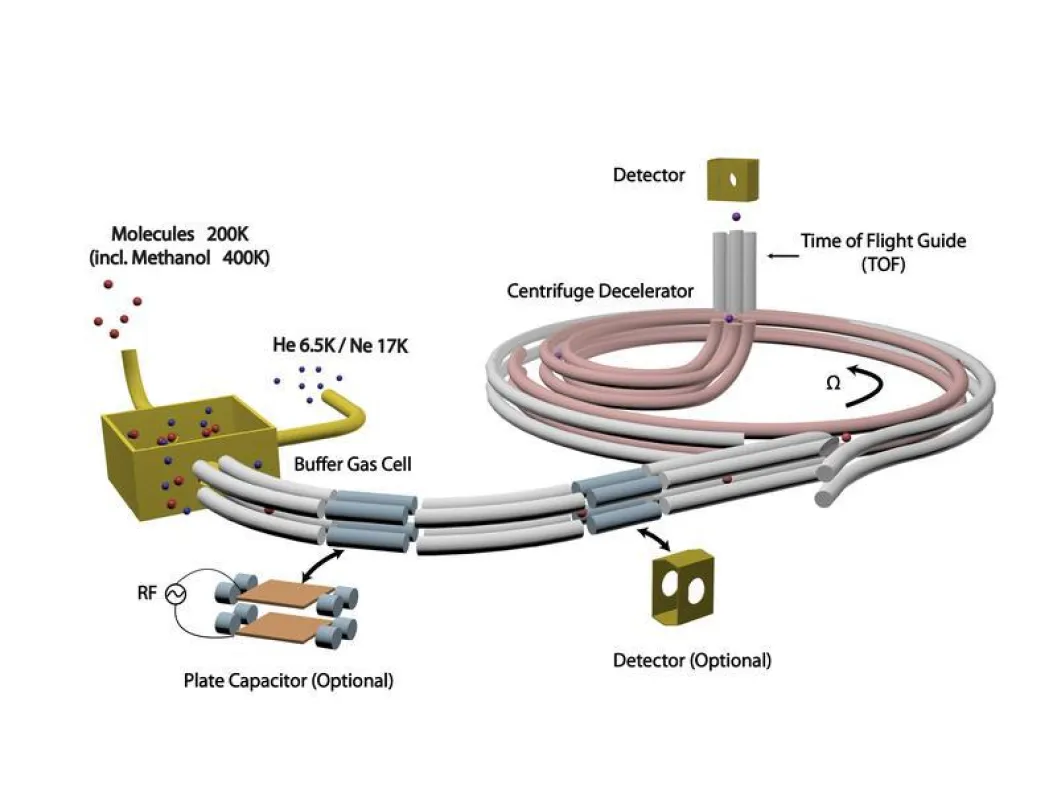
Schematic view of the experimental setup of the “cryofuge”.  (Graphic: MPQ, Quantum Dynamics Division)
Schematic view of the experimental setup of the “cryofuge”. (Graphic: MPQ, Quantum Dynamics Division)

(openPR) Using a new cooling technique MPQ scientists succeed at observing collisions in a dense beam of cold and slow dipolar molecules.

---
How do chemical reactions proceed at extremely low temperatures? The answer requires the investigation of molecular samples that are cold, dense, and slow at the same time. Scientists around Dr. Martin Zeppenfeld from the Quantum Dynamics Division of Prof. Gerhard Rempe at the Max Planck Institute of Quantum Optics in Garching have now taken an important step in this direction by developing a new cooling method: the so-called “cryofuge” combines cryogenic buffer-gas cooling with a special kind of centrifuge in which rotating electric fields decelerate the precooled molecules down to velocities of less than 20 metres per second.


Due to the high flux densities that were attained the team succeeded in observing collisions between the cold molecules. For two chemical compounds with a strong electric dipole moment, the collision probability as well as its dependence on velocity and flux density was thereby determined (Science, 13 October 2017). The new technique is a milestone for the emerging field of cold chemistry and could open the perspective towards controlling and manipulating chemical pathways at extremely low temperatures.

The production of cold molecules has proven to be a big challenge: laser-cooling – a very efficient method for atoms – in general doesn’t work for molecules because they exhibit vibrational and rotational states in addition to the electronic states. On the other hand, a large number of molecules, e.g. water (H2O), possess an uneven electric charge distribution. Molecules with such an electric dipole moment can be influenced and hence decelerated by electric fields.

The MPQ team has mostly experimented with fluoromethane (CH3F) and deuterated ammonia (ND3). Initially, the molecules have a temperature of around 200 Kelvin and a velocity of several hundred metres per second. As a first step, the molecules thermalize with a helium or neon buffer-gas in the cryogenic buffer-gas cell and get cooled down to 6 Kelvin (helium) and 17 Kelvin (neon) respectively. They are extracted from the cryogenic environment by a bent electrostatic quadrupole guide. When they exit the buffer-gas cell, their speed has been reduced to 50 to 100 metres per second. “However, it is not only the velocity that matters”, emphasizes Dr. Martin Zeppenfeld, leader of the project. “Regarding the molecular collisions that we aim to observe it is crucial that during this cooling process also the internal states are being cooled. We can prove that only very few and low rotational and vibrational states are excited.”

By a straight guide the molecules are transferred to the second part of the cooling device, the centrifuge decelerator. “Varying the guiding voltage on the straight guide we can control the trap depth and thereby the molecular beam densities,” explains Thomas Gantner, doctoral candidate at the experiment. “The higher the voltage, the higher the beam density. This kind of control is necessary in order to get a better understanding of the mechanisms behind the cold dipolar collisions that we are going to measure after the deceleration process.”

Entering the centrifuge, the molecules first propagate around the periphery in a stationary storage ring with a diameter of 40 centimetres composed of two static and two rotating electrodes. Then a rotating electric quadrupole guide picks up the molecules almost at any point around the storage ring and pushes them along its spiral shape towards the rotation axis. Thus, while the electric fields make the molecules move into the centre of the disc, they constantly have to counteract the centrifugal force induced by the quadrupole guide that rotates at 30 Hertz, thereby continuously slowing the molecules down.

A final straight guide brings the molecules to a quadrupole mass spectrometer where they are analysed regarding their velocity. “The molecules spend about 25 milliseconds inside the quadrupole guide,” says Thomas Gantner. “This is plenty of time for them to interact, and in these collisions, molecules are being lost. The analysis reveals that the losses increase for decreasing velocities and increasing beam densities. The evaluation of the data relies to a large extent on model calculations that were done by Xing Wu, who is first author of this work and achieved his doctoral degree on this experiment.”

“The observation of cold molecular collisions is a milestone for the field of cold chemistry,” emphasizes Dr. Zeppenfeld. “The generic principle underlying the cryofuge enables its application to a wide range of dipolar compounds. We envision the possibility that in the future chemical reactions with long interaction times can be realized at very low temperatures.”

Furthermore, the cryofuge could extend the range of research topics that experiments with cold molecules offer. For instance, the cold and slow beam of methanol produced could be ideally suited for measuring variations in the proton-to-electron mass ratio. According to theoretical predictions these could be caused by interaction with dark matter. The cryofuge could also serve as a perfect source for ongoing experiments with laser-coolable diatomic molecules. On the other hand, the long-range and anisotropic dipole coupling mediates interactions over micrometre distances. This renders cold polar molecules particularly suitable for applications in quantum simulation or quantum computing. “The very first observation of collisions in a cold gas of naturally occurring molecules brings us closer to the dream of achieving a complex quantum gas such as a Bose Einstein condensate of water molecules,” says Prof. Gerhard Rempe. Olivia Meyer-Streng

Original publication:

Xing Wu, Thomas Gantner, Manuel Koller, Martin Zeppenfeld, Sotir Chervenkov, Gerhard Rempe
A cryofuge for cold-collision experiments with slow polar molecules
Science, 13. Oktober 2017, DOI:10.1126/science.aan3029

Contact:

Dr. Martin Zeppenfeld
Max Planck Institute of Quantum Optics
Hans-Kopfermann-Str. 1
85748 Garching, Germany
Phone: +49 (0)89 / 32 905 - 726
E-mail: E-Mail

Prof. Dr. Gerhard Rempe
Direktor at the Max Planck Institute of Quantum Optics
Hans-Kopfermann-Str. 1
85748 Garching, Germany
Phone: +49 (0)89 / 32 905 - 701
E-mail: E-Mail

Dr. Olivia Meyer-Streng
Press & Public Relations
Max Planck Institute of Quantum Optics
Phone: +49 (0)89 / 32 905 - 213
E-mail: E-Mail

Quelle: idw

Diese Pressemeldung wurde auf openPR veröffentlicht.

Verantwortlich für diese Pressemeldung:

News-ID: 974038
 431

Kostenlose Online PR für alle

Jetzt Ihren Pressetext mit einem Klick auf openPR veröffentlichen

Jetzt gratis starten

Pressebericht „Cold molecules on collision course“ bearbeiten oder mit dem "Super-PR-Sparpaket" stark hervorheben, zielgerichtet an Journalisten & Top50 Online-Portale verbreiten:

PM löschen PM ändern
Disclaimer: Für den obigen Pressetext inkl. etwaiger Bilder/ Videos ist ausschließlich der im Text angegebene Kontakt verantwortlich. Der Webseitenanbieter distanziert sich ausdrücklich von den Inhalten Dritter und macht sich diese nicht zu eigen. Wenn Sie die obigen Informationen redaktionell nutzen möchten, so wenden Sie sich bitte an den obigen Pressekontakt. Bei einer Veröffentlichung bitten wir um ein Belegexemplar oder Quellenennung der URL.

Pressemitteilungen KOSTENLOS veröffentlichen und verbreiten mit openPR

Stellen Sie Ihre Medienmitteilung jetzt hier ein!

Jetzt gratis starten

Weitere Mitteilungen von Max-Planck-Institut für Quantenoptik

Bild: Lange Speicherung photonischer Quantenbits für globale TeleportationBild: Lange Speicherung photonischer Quantenbits für globale Teleportation
Lange Speicherung photonischer Quantenbits für globale Teleportation
Wissenschaftler am Max-Planck-Institut für Quantenoptik erreichen mit neuer Speichertechnik für photonische Quantenbits Kohärenzzeiten, welche die weltweite Teleportation von Quanteninformation ermöglichen. --- Bei der Erforschung von Quantenspeichern zur Realisierung globaler Quantennetzwerke ist Forschern der Abteilung Quantendynamik von Prof. Gerhard Rempe am Max-Planck-Institut für Quantenoptik ein wesentlicher Durchbruch gelungen: auf einem einzelnen, in einem optischen Resonator gefangenen Atom konnten sie ein photonisches Quantenbit ü…
Bild: Dr. Alejandro González Tudela erhält den NJP Early Career AwardBild: Dr. Alejandro González Tudela erhält den NJP Early Career Award
Dr. Alejandro González Tudela erhält den NJP Early Career Award
Das Editorial Board des New Journal of Physics, die Deutsche Physikalische Gesellschaft (DPG) und das Institute of Physics (IOP) haben Dr. Alejandro González-Tudela, einem jungen Wissenschaftler in der Abteilung Theorie von Prof. Ignacio Cirac am Max-Planck-Institut für Quantenoptik, den „Early Career Award 2017“ verliehen. --- Das Preiskomitee wählte ihn aus 33 Kandidaten aus auf der Grundlage der Vielfalt seiner Forschungsthemen, seiner beeindruckenden Publikationsliste, der Unterschiedlichkeit der von ihm initiierten Koopera-tionen sowie …

Das könnte Sie auch interessieren:

Bild: Cold Brew Tee – Der gesunde kalte Tee zur warmen JahreszeitBild: Cold Brew Tee – Der gesunde kalte Tee zur warmen Jahreszeit
Cold Brew Tee – Der gesunde kalte Tee zur warmen Jahreszeit
… gesund ist, sollte man am Besten nicht auf die üblichen fertigen Erfrischungsgetränke zurückgreifen, da diese häufig viel Zucker enthalten. Eine gesunde Alternative ist der eigene Cold Brew Tee. Der lässt sich übrigens ganz einfach zubereiten und braucht keine extra High-Tech Produkte oder irgendwelche Tee-Maschinen, wie es euch viele Firmen einreden …
Bild: Cold Jet stellt Cold Jet CONNECT® vor, die fortschrittliche Art der Vernetzung zum KundenBild: Cold Jet stellt Cold Jet CONNECT® vor, die fortschrittliche Art der Vernetzung zum Kunden
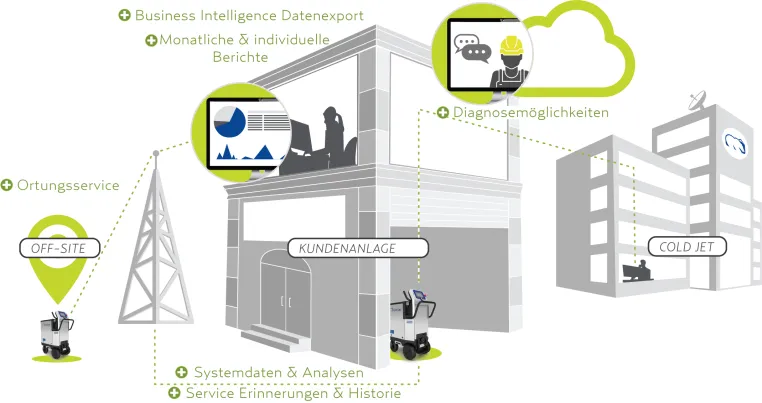
Cold Jet stellt Cold Jet CONNECT® vor, die fortschrittliche Art der Vernetzung zum Kunden
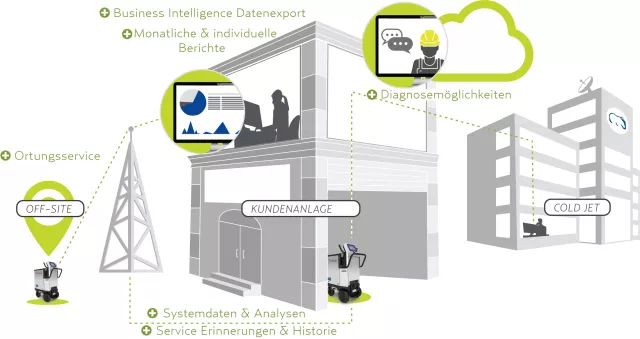
Cold Jet CONNECT bietet Anwendern Fernsupport, virtuell geführte Reparaturen sowie Datenanalysen für Ihre Trockeneisstrahl- und Produktionssysteme.(Weinsheim, Deutschland, Juli 2021) - Cold Jet – der weltweit führende Hersteller von Trockeneisproduktions,- und Strahlanlagen – ist stolz darauf, Cold Jet CONNECT einzuführen. Eine konkurrenzlose, intelligente …
Bild: 25.10.11/Boklund/ Klitmøller DK/ Das cold hawaii Team Germany mit noch mehr MenpowerBild: 25.10.11/Boklund/ Klitmøller DK/ Das cold hawaii Team Germany mit noch mehr Menpower
25.10.11/Boklund/ Klitmøller DK/ Das cold hawaii Team Germany mit noch mehr Menpower
… richtigen Leben Student der Wirtschaftswissenschaften. Er unterstützt uns ab und zu nicht nur sehr professionell vor der Kamera, sondern übernimmt zum 01.11.2011 das Social Media Management bei cold hawaii Europe. „Wir freuen uns sehr, dass Jan zum einen mit seiner Kompetenz als auch mit seinem Humor und seiner Fröhlichkeit dafür sorgt, dass die Stimmung …
Bild: Cold hawaii Germany/Snowboarden ist wie WellenreitenBild: Cold hawaii Germany/Snowboarden ist wie Wellenreiten
Cold hawaii Germany/Snowboarden ist wie Wellenreiten
… Wellen hoch werden und der Wind mit mehr als 7 Windstärken bläst, findet Volker Hollenbach, Unternehmer aus Schleswig-Holstein und Betreiber des gleichnamigen Onlineshops cold-hawaii.de das Windsurfen so richtig spannend. Ähnlich reizvoll wie Skicross, wo sich je nach Parcours meterhohe Schanzen und Steilkurven aneinanderreihen und den Sportler voll …
Bild: Boklund/Klitmøller DK/Cold hawaii Onlineshop mit neuer Internetspräsenz auf facebookBild: Boklund/Klitmøller DK/Cold hawaii Onlineshop mit neuer Internetspräsenz auf facebook
Boklund/Klitmøller DK/Cold hawaii Onlineshop mit neuer Internetspräsenz auf facebook
Der cold hawaii Onlineshop hat seine Internetpräsenz erweitert. Das Shoppingportal, www.cold-hawaii.de, ist ab sofort auch auf facebook präsent und bietet seinen windsurfbegeisterten Kunden und Klitmøller Fans eine innovative und dynamische Shopping-Plattform. „Wir bieten unseren sportlichen und dynamischen Kunden nun volldynamische Shopseiten auf dem …
Bild: Boklund/ Klitmøller DK/ Das Onlineshop Team cold hawaii mit noch mehr FrauenpowerBild: Boklund/ Klitmøller DK/ Das Onlineshop Team cold hawaii mit noch mehr Frauenpower
Boklund/ Klitmøller DK/ Das Onlineshop Team cold hawaii mit noch mehr Frauenpower
… uns zum 01.09.2011 das Backoffice. Ihre bildhübsche 14- jährige Tochter Lyan, steht seit 6 Jahren auf dem Waveboard und begeistert mit ihrem Charisma. Die Sportmarke cold hawaii ist eine ideale Ergänzung zu den üblichen Surfbekleidungsmarken. "Unsere Kunden, die in cold hawaii Klitmøller Windsurfen oder Wellenreiten, holen sich ein Stückchen cold hawaii …
31.01.2011 Cold hawaii Denmark/Windsurfen ist wie Snowboarden
… Wellen hoch werden und der Wind mit mehr als 7 Windstärken bläst, findet Volker Hollenbach, Unternehmer aus Schleswig-Holstein und Betreiber des gleichnamigen Onlineshops cold-hawaii.de, das Windsurfen so richtig spannend. Ähnlich reizvoll wie Skicross, wo sich je nach Parcours meterhohe Schanzen und Steilkurven aneinanderreihen und den Sportler voll …
Boklund, 03.09.2010 Vor 3 Monaten ist der Onlineshop cold-hawaii.de an den Start gegangen
… pilgern tausende Windsurf- und Wellenreitbegeisterte aus dem europäischen Ausland in dieses kleine verschlafene Fischer Dörfchen an der dänischen Nordseeküste, mit dem Kosenamen, cold-hawaii. Der Surfspot südlich von Hanstholm gehört seit vielen Jahren zu den besten und angesagtesten Windsurfrevieren Nordeuropas, vor allem aber auch die legendären Windsurfbedingungen …
Bild: Sommertrend 2016: Erfrischende Coffee-Drinks mit Cold BrewBild: Sommertrend 2016: Erfrischende Coffee-Drinks mit Cold Brew
Sommertrend 2016: Erfrischende Coffee-Drinks mit Cold Brew
Kaffeegetränke mit Cold Brew werden immer beliebter und sind einer der Sommertrends für 2016. Kein Wunder: durch die Extraktion des Kaffees mit kaltem Wasser entsteht ein säurearmes Getränk, das die natürlichen Aromen des Kaffees betont - ein fantastisches Geschmackserlebnis! Wer Cold Brew selber herstellen will, benötigt hell gerösteten Kaffee (Geschmack: …
11.09.10 Zum ersten Mal startet der KIA Cold Hawaii PWA Worldcup in Klitmøller/Dänemark
Wer Surfaction und attraktive Naturlandschaften erleben will, muss wirklich nicht nach Hawaii fliegen. Cold Hawaii“,so der Kosename des kleinen verschlafenen Fischerdorfes in Jütland/Dänemark, liegt da viel näher. Klitmøller Cold Hawaii, südlich von Hanstholm gelegen, ist erstmaliger Austragungsort des Worldcups der Professional Windsurf Association …
Sie lesen gerade: Cold molecules on collision course