openPR Recherche & Suche
Presseinformation

Organ Crosstalk: Fatty Liver Can Cause Damage to Other Organs

18.08.201711:02 UhrWissenschaft, Forschung, Bildung
Bild: Organ Crosstalk: Fatty Liver Can Cause Damage to Other Organs
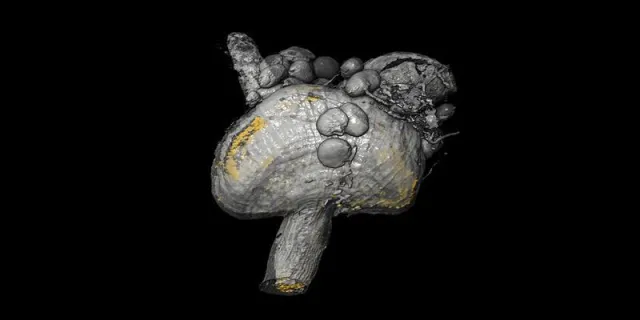
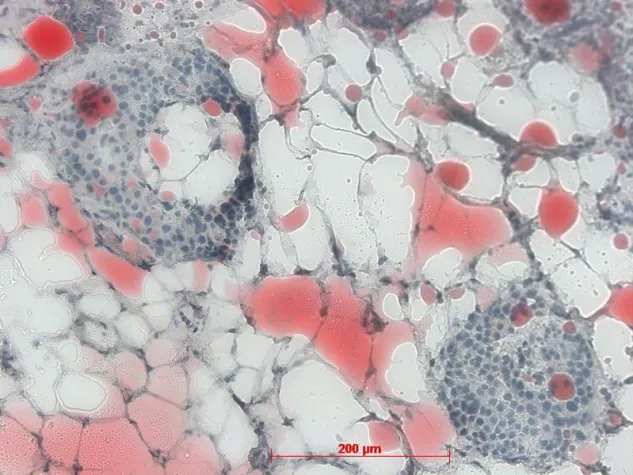
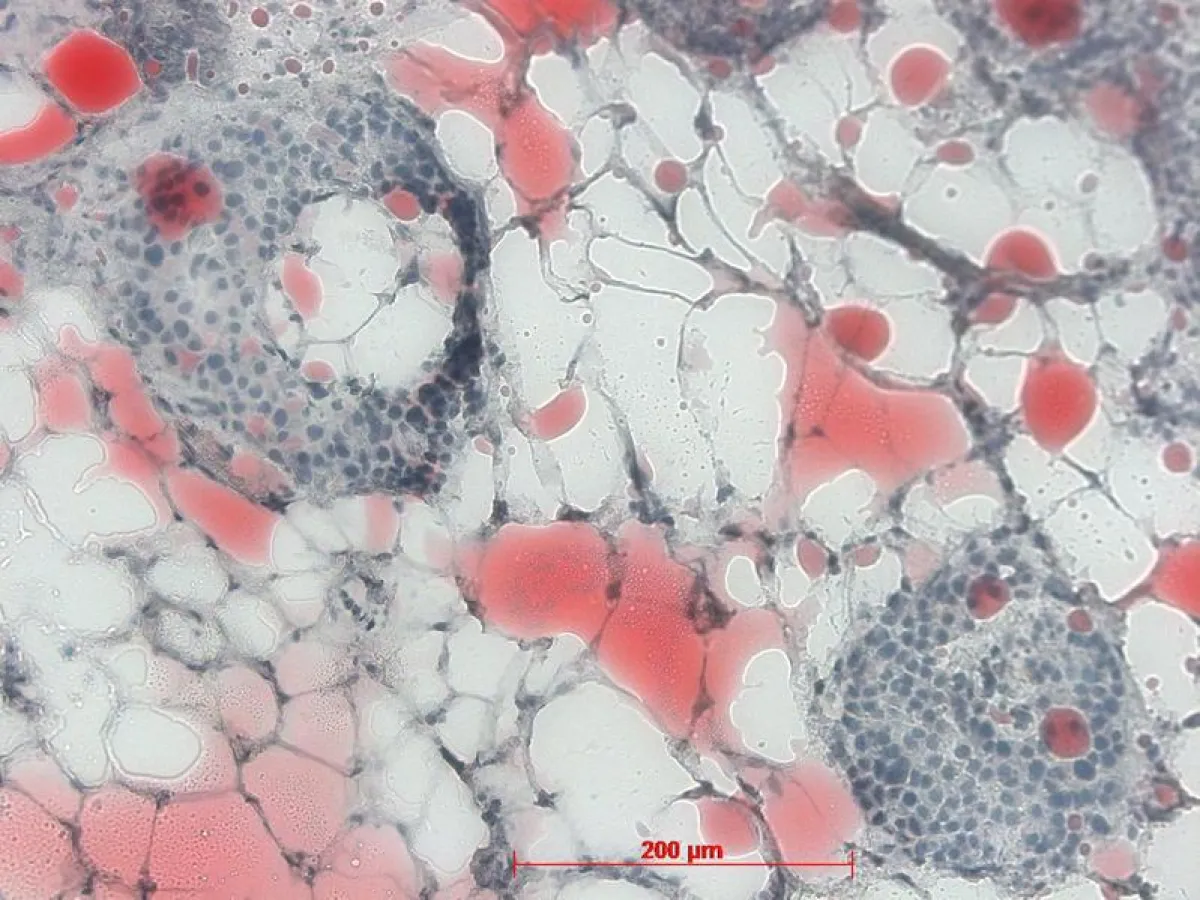
Adipose cells (white/dyed red) next to an insulin-producing islet in the pancreas. (Source: IDM)  (Image source: IDM)
Adipose cells (white/dyed red) next to an insulin-producing islet in the pancreas. (Source: IDM) (Image source: IDM)

(openPR) The consensus among scientists until now has been that overweight people have an increased risk for diabetes, cancer, high blood pressure and heart attack. However, studies show that not only the extent, but above all the location and function of adipose tissue play a decisive role in the development of the disease. Several years ago, scientists of the German Center for Diabetes Research (DZD) in Tübingen discovered that a fatty liver can cause damage to other organs. Now, in two just-published studies they demonstrate the effects of fatty liver disease on the function of the hormone-producing islet cells in the pancreas and on renal function.


---
Nonalcoholic fatty liver disease is becoming more and more common. Approximately every third adult in the industrialized countries has a morbidly fatty liver. This not only increases the risk of chronic liver diseases (liver cirrhosis and liver cancer), but also in particular type 2 diabetes and cardiovascular diseases. The cause for this is the altered secretion behavior of the fatty liver. It increasingly produces glucose, unfavorable fats and proteins, such as the hepatokine fetuin-A, all of which it releases into the bloodstream. Thus, the secreted substances of the fatty liver enter other organs and trigger reactions there. So far, however, it is not known exactly which effects this "organ crosstalk" has, which organs are most affected, and which "damage" can be caused by the hepatokine fetuin-A.

What effect does the protein fetuin-A, which is produced by the fatty liver, have on the pancreas?
To elucidate the causal mechanisms and the resulting changes, DZD researchers of the Institute for Diabetes Research and Metabolic Diseases (IDM) of Helmholtz Zentrum München at the University of Tübingen studied the influence of fetuin-A on pancreatic adipose tissue. Approximately one-third of the pancreatic adipose tissue consists of adipose precursor cells (a kind of stem cells) in addition to the mature adipose cells. If the pancreatic adipose cells are treated with fetuin-A in cell cultures*, the mature adipose cells – but in particular the adipose precursor cells in interaction with the islet cells – increasingly produce inflammation markers and immune-cell-attracting factors.

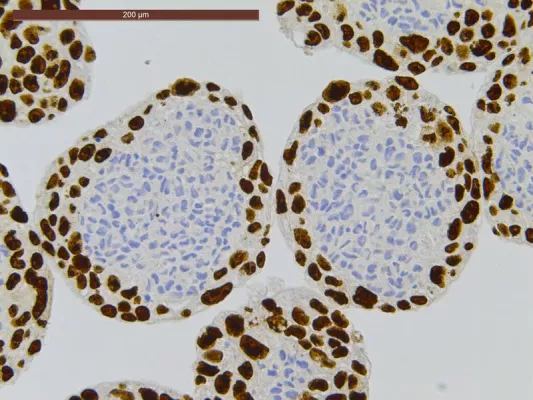
In addition, the researchers histologically analyzed tissue samples from 90 patients and found that the proportion of the pancreatic fat varied greatly. The number of defense cells of the immune system (monocytes / macrophages) was significantly increased in areas where many adipose cells had accumulated.

In a cohort of 200 subjects with an increased risk of type 2 diabetes, the pancreatic fat content was measured by means of magnetic resonance imaging and compared with diabetes parameters. It was found that in persons who had already experienced a worsening of blood glucose regulation, an increased pancreatic fatty degeneration was associated with a reduced insulin secretion. The investigations were carried out by Professor Hans Ulrich Häring and the Endocrinology Research Group, together with scientists from the Department of Experimental Radiology at the University of Tübingen.

In summary, these analyses, published in the journals Diabetologia and Diabetes Metab Res Rev, suggest that a fatty liver, together with a fatty degeneration of the pancreas, triggers an increased local immune cell infiltration and inflammation that accelerate the course of the disease.

Fetuin-A leads to pathological changes of the kidney
However, adipose tissue is not harmful per se. It can even have protective effects. For example, adipose tissue located around blood vessels or the kidney has regenerative properties. "The factor that leads to pathological changes is fetuin-A, which is produced by the fatty liver," said Professor Dorothea Siegel-Axel, head of the working group “Adipose Tissue and Complications” in Tübingen. As a result, instead of protecting tissue as before, the adipose tissue now elicits inflammatory processes. This leads to a restriction of renal function. This is demonstrated by studies on arteries and the kidney, which have recently been published by the working group in the journal Scientific Reports (Nature Group).

"The statement that obesity in itself always has a disease-causing effect is too imprecise. Not until further parameters have been determined, such as fatty liver and hepatokine levels, as well as the elicited changes in other organs, can we obtain more exact indications as to whether a person has an increased disease risk or not,” said Professor Häring, board member of the DZD and director of the IDM, summarizing the current results.

Original Publications:
Gerst F. et al. (2017): Metabolic crosstalk between fatty pancreas and fatty liver: effects on local inflammation and insulin secretion. Diabetologia, DOI: 10.1038/s41598-017-02210-4.

Wagner R. et al (2017): The protective effect of human renal sinus fat on glomerular cells is reversed by the hepatokine fetuin-A. Scientific Reports, DOI: 10.1038/s41598-017-02210-4.

Heni M. et al. (2010): Pancreatic fat is negatively associated with insulin secretion in individuals with impaired fasting glucose and/or impaired glucose tolerance: a nuclear magnetic resonance study. Diabetes Metab Res Rev;26(3):200-5. DOI: 10.1002/dmrr.1073.

* The cells for the cultures were obtained from residual tissue in the course of surgery, which was no longer required for diagnostics and was explicitly released by the patients.

Contact:
Prof. Dr. rer. nat. Dorothea Siegel-Axel
Medical Clinic IV, Dept. of Endocrinology, Diabetology, Angiology, Nephrology and Clinical Chemistry, Tübingen University Hospital (UKT), and the Institute for Diabetes Research and Metabolic Diseases (IDM) of Helmholtz Zentrum München at the University of Tübingen
Otfried-Müller-Strasse 10
72076 Tübingen /Germany
Phone: +49 (0)7071/29-82906
email: E-Mail

Media Contact:
Birgit Niesing
German Center for Diabetes Research
Ingolstädter Landstrasse 1
85764 Neuherberg / Germany
Phone: +49 (0)89-3187-3971
email: E-Mail

The German Center for Diabetes Research (DZD) is one of six German Centers for Health Research. It brings together experts in the field of diabetes research and integrates basic research, epidemiology, and clinical applications. By adopting an innovative, integrative approach to research, the DZD aims to make a substantial contribution to the successful personalized prevention diagnosis and treatment of diabetes mellitus. The members of the DZD are Helmholtz Zentrum München – German Research Center for Environmental Health, the German Diabetes Center (DDZ) in Düsseldorf, the German Institute of Human Nutrition (DIfE) in Potsdam-Rehbrücke, the Institute of Diabetes Research and Metabolic Diseases of Helmholtz Zentrum München at the University of Tübingen, the Paul Langerhans Institute Dresden of Helmholtz Zentrum München at the Carl Gustav Carus University Hospital of TU Dresden, associated partners at the universities in Heidelberg, Cologne, Leipzig, Lübeck and Munich, and other project partners.

The Helmholtz Zentrum München, the German Research Center for Environmental Health, pursues the goal of developing personalized medical approaches for the prevention and therapy of major common diseases such as diabetes and lung diseases. To achieve this, it investigates the interaction of genetics, environmental factors and lifestyle. The Helmholtz Zentrum München is headquartered in Neuherberg in the north of Munich and has about 2,300 staff members. It is a member of the Helmholtz Association, a community of 18 scientific-technical and medical-biological research centers with a total of about 37,000 staff members.

Quelle: idw
Diese Pressemeldung wurde auf openPR veröffentlicht.

Verantwortlich für diese Pressemeldung:

News-ID: 964116
 378

Kostenlose Online PR für alle

Jetzt Ihren Pressetext mit einem Klick auf openPR veröffentlichen

Jetzt gratis starten

Pressebericht „Organ Crosstalk: Fatty Liver Can Cause Damage to Other Organs“ bearbeiten oder mit dem "Super-PR-Sparpaket" stark hervorheben, zielgerichtet an Journalisten & Top50 Online-Portale verbreiten:

PM löschen PM ändern
Disclaimer: Für den obigen Pressetext inkl. etwaiger Bilder/ Videos ist ausschließlich der im Text angegebene Kontakt verantwortlich. Der Webseitenanbieter distanziert sich ausdrücklich von den Inhalten Dritter und macht sich diese nicht zu eigen. Wenn Sie die obigen Informationen redaktionell nutzen möchten, so wenden Sie sich bitte an den obigen Pressekontakt. Bei einer Veröffentlichung bitten wir um ein Belegexemplar oder Quellenennung der URL.

Pressemitteilungen KOSTENLOS veröffentlichen und verbreiten mit openPR

Stellen Sie Ihre Medienmitteilung jetzt hier ein!

Jetzt gratis starten

Weitere Mitteilungen von Deutsches Zentrum für Diabetesforschung

Bild: Schlafverlust wirkt sich bei Frauen und Männern unterschiedlich auf die Aktivität von DPP-4 ausBild: Schlafverlust wirkt sich bei Frauen und Männern unterschiedlich auf die Aktivität von DPP-4 aus
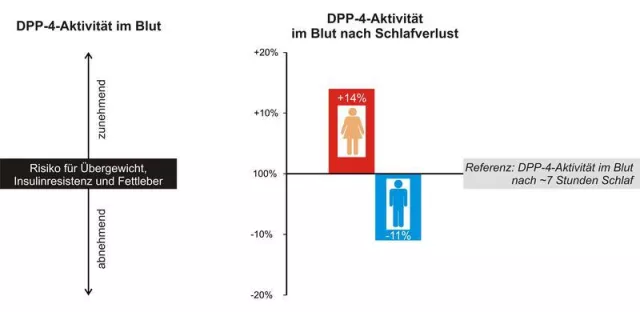
Schlafverlust wirkt sich bei Frauen und Männern unterschiedlich auf die Aktivität von DPP-4 aus
Schlafmangel hat bei Frauen und Männern eine unterschiedliche Auswirkung auf die Aktivität des Enzyms DPP-4. Nach einer Nacht ohne Schlaf bilden Frauen mehr DPP-4. Die erhöhte Enzym-Produktion kann zu Übergewicht, Leberverfettung sowie zu einer Insulin-Unempfindlichkeit führen. Bei Männern hingegen sinkt die morgendliche Aktivität des Enzyms. Das zeigt eine gemeinsame Untersuchung der Universität Uppsala, Schweden, und dem Deutschen Institut für Ernährungsforschung (DIfE), einem Partner des Deutschen Zentrums für Diabetesforschung (DZD). Die …
Bild: Behandlung von Übergewicht: Ist Stoffwechsel-gesunde Adipositas ein lohnendes erstes Ziel?Bild: Behandlung von Übergewicht: Ist Stoffwechsel-gesunde Adipositas ein lohnendes erstes Ziel?
Behandlung von Übergewicht: Ist Stoffwechsel-gesunde Adipositas ein lohnendes erstes Ziel?
Weltweit ist fast jeder Dritte fettleibig. Die Folge: Immer mehr Menschen leiden auch an Krankheiten, die mit krankhaftem Übergewicht verbunden sind wie Diabetes, Bluthochdruck, Herzinfarkt oder Schlaganfall. Trotz der bekannten Gesundheitsrisiken versucht nur ein Teil der Betroffenen abzunehmen. Viele Menschen schrecken die großen geforderten Gewichtsabnahmen ab. Tübinger und Potsdamer Forscher des Deutschen Zentrums für Diabetesforschung zeigen nun in der Fachzeitschrift „The Lancet Diabetes & Endocrinology“ anhand bereits veröffentlichter …

Das könnte Sie auch interessieren:

Treating arthritis with algae
… reaction of various cell types to the modified polysaccharide. This revealed that alginate sulfate can significantly reduce oxidative stress, which is a frequent cause of cell damage or even cell death, and the more sulfate groups attached to the alginate molecule, the greater this reduction. Alginate sulfate was also able to suppress the inflammatory …
Slim Origin Keto - Reviews (Free Trial Offer)
… if they once during a while cheat the eating routine. Research projects Nutr Metab (Lond). 2016 have revealed the very fact that this procedure may cause extraordinary excess weight-damage effects.Do You Know The Attributes Of Slim Origin Keto?Slim Origin Keto could assist you burn off fat quickly.The goods can assist you suffer a loss of tons of weight …
Bild: Medication for the unborn babyBild: Medication for the unborn baby
Medication for the unborn baby
… future for the development of new approaches to therapy during pregnancy. --- During its development, the foetus is extremely susceptible to toxic substances. Even the tiniest doses can cause serious damage. In order to protect the unborn child,one of the tasks of the placenta is to act as a barrier to "filter out" harmful substances, while at the same …
Bild: Newly Discovered microRNA Regulates Mobility of Tumor CellsBild: Newly Discovered microRNA Regulates Mobility of Tumor Cells
Newly Discovered microRNA Regulates Mobility of Tumor Cells
… that is an essential part of embryonic development. This allows them to leave the primary tumor, penetrate the surrounding tissue and form metastases in peripheral organs. In the journal Nature Communications, researchers from the University of Basel’s Department of Biomedicine provide an insight into the molecular networks that regulate this process. --- During …
New treatment options for non-alcoholic fatty liver disease
Joint research initiative of the Mainz University Medical Center, Johannes Gutenberg University Mainz, and Goethe University Frankfurt --- Non-alcoholic fatty liver disease (NAFLD) is one of the most frequent liver diseases worldwide and an estimated 20 million people in Germany are affected. The underlying causes involve obesity and decreased physical …
Optimizing therapy planning for cancers of the liver
… irradiation and undersupply prevent cancer growth, induce cancer cell death and induce tumor shrinkage. Thorough treatment planning is an important prerequisite for radioembolization. To damage the tumors maximally, they should receive the highest possible radiation dose in the form of microspheres. At the same time, healthy liver tissue should remain …
Bild: Enzyme produced in the liver promotes obesity, fatty liver disease and insulin resistanceBild: Enzyme produced in the liver promotes obesity, fatty liver disease and insulin resistance
Enzyme produced in the liver promotes obesity, fatty liver disease and insulin resistance
… by the Federal Ministry of Education and Research (BMBF) in 2009. More information on DZD is available at: . The Leibniz Association is the umbrella organization for 91 independent research institutions whose spectrum encompasses the natural, engineering and environmental sciences, economics, the spatial and social sciences as well as the humanities. …
Bild: New insights into the world of trypanosomesBild: New insights into the world of trypanosomes
New insights into the world of trypanosomes
… urgent demand for better medication to treat the disease. Trypanosomes not only infect humans. They also kill cattle, goats and other livestock thereby causing enormous damage: In some regions of Africa, livestock breeding is hardly possible due to the trypanosomes. Link to the online publication eLife is a multidisciplinary open-access journal which …
Bild: Trigger for Fatty Liver in ObesityBild: Trigger for Fatty Liver in Obesity
Trigger for Fatty Liver in Obesity
Morbid obesity affects the liver: Almost one-third of all adults suffer from chronic fatty liver disease, which can lead to infections and even trigger cancer. Researchers at the University Children's Hospital Zurich and the University of Zurich have now found a signaling pathway in cells that play an important role in the development of fatty liver …
Bild: New approach for treatment of contact allergyBild: New approach for treatment of contact allergy
New approach for treatment of contact allergy
… Germany. Allergies occur when immune responses react in an uncontrolled way against otherwise harmless substances from the environment. Among other culprits, T-cells are responsible for the resulting damage. These guardians of the immune system normally kill diseased cells, such as those infected by a virus. Patrolling T cells are activated by so-called dendritic …
Sie lesen gerade: Organ Crosstalk: Fatty Liver Can Cause Damage to Other Organs