OWB
OlliBŒHM
- Hofangerweg 6a
86807 Buchloe
Deutschland
- Oliver Boehm
- 0179 3957022
- mail@olliboehm.de
Über das Unternehmen
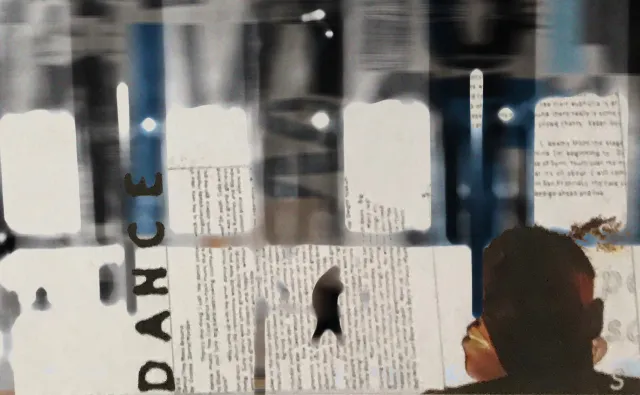
Olli Böhm works at the intersection of photography, painting, and digital editing. His images resemble quiet narratives: light, mood, and composition are never merely “beautiful,” but carry meaning—with blurs, reflections, and deliberately embraced imperfections.
Born in 1967, his path led him early into the creative world: training and studying photography in Frankfurt/Main and Paris, followed by a long career in the advertising and media industry—from graphic design to art/creative direction and directing commercials across Europe. In 2008, everything changed: the diagnosis of multiple sclerosis, the loss of stability, and the return to free art. Today, in a wheelchair, Böh uses the camera as a precise and sensitive tool to make inner states and the overlooked visible.
Characteristic of his work is his overpainted photography:
Photo prints (often on canvas) are further processed manually and/or digitally, layered, and condensed. This visual language was inspired by artists such as Robert Rauschenberg, Saul Leiter, and Gerhard Richter—as a dialogue between reality and memory. Fine art photography and street photography complete his visual storytelling. In his narratives and non-fiction books, he writes about what goes beyond his art.
Böhm lives and works in Bavaria and has been exhibiting for many years (including in Munich, Wiesbaden, Cologne, and Potsdam, as well as venues in Switzerland). His creative career has also been accompanied by mentions and awards in the advertising and design context (including nominations at Cannes Lions/NY Festival and awards such as Red Dot, ITVA, and Golden Drum).