openPR Recherche & Suche
Presseinformation

Treatment of Overweight: Is Metabolically Healthy Obesity a Worthwhile Initial Goal?

15.09.201701:00 UhrWissenschaft, Forschung, Bildung
Bild: Treatment of Overweight: Is Metabolically Healthy Obesity a Worthwhile Initial Goal?
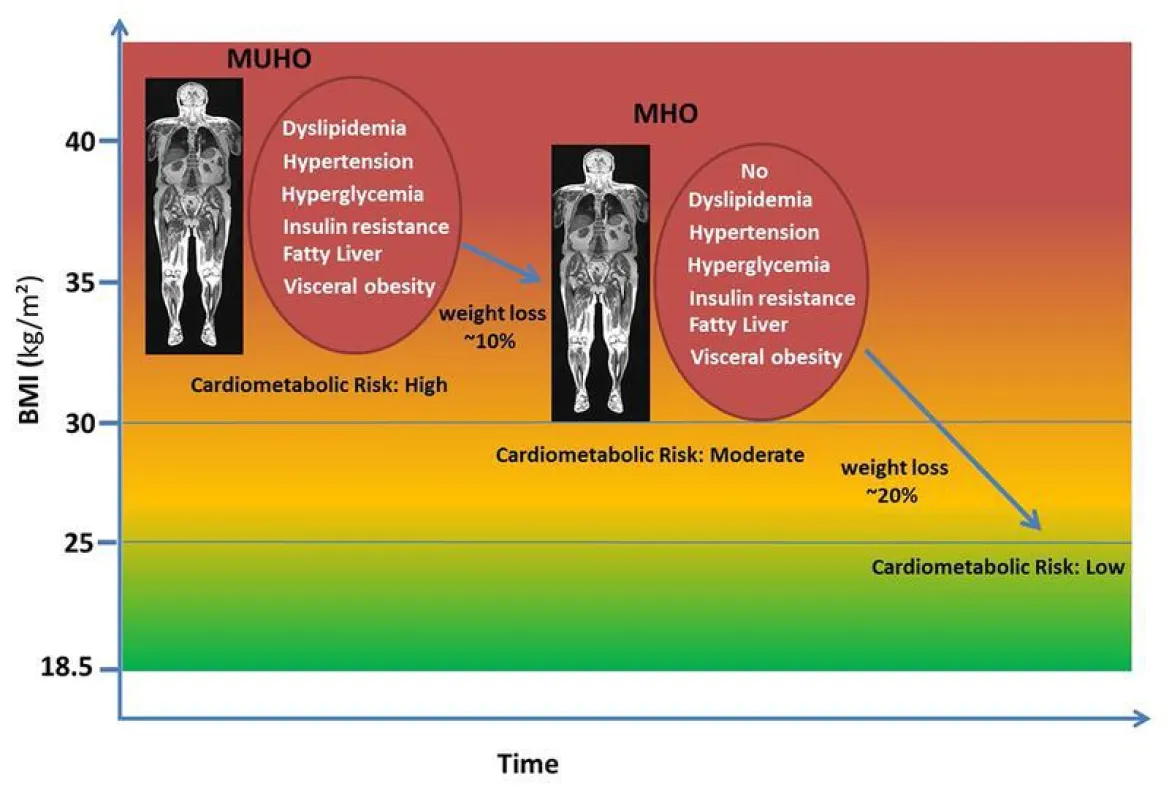
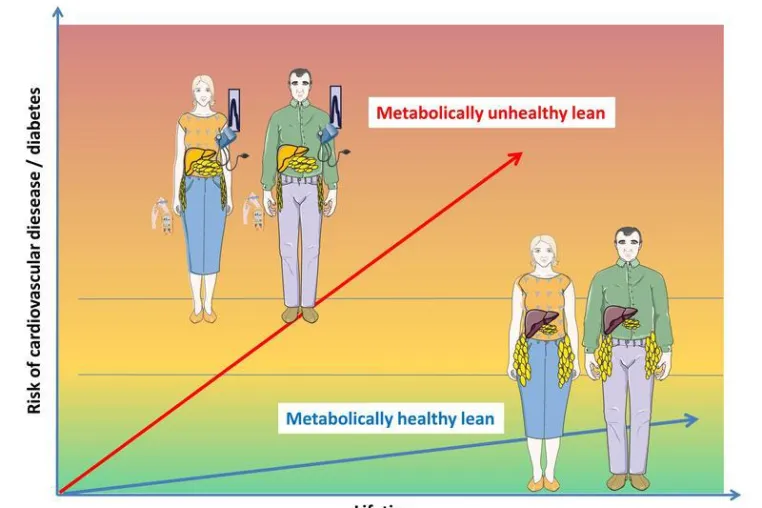
In comparison to people with metabolically abnormal obesity those with metabolically healthy obesity have 25% increased cardiometabolic risk compared to people with normal weight.  (Source: DZD/IDM)
In comparison to people with metabolically abnormal obesity those with metabolically healthy obesity have 25% increased cardiometabolic risk compared to people with normal weight. (Source: DZD/IDM)

(openPR) Worldwide nearly one in three individuals is obese. The consequence: More and more people suffer from diseases associated with morbid overweight such as diabetes, high blood pressure, heart attack or stroke. Despite the well-known health risks, only some of those affected attempt to lose weight. Many people are most probably daunted by the prospect of losing the required large amount of weight. Researchers of the German Center for Diabetes Research in Tübingen and Potsdam now report in the journal “The Lancet Diabetes & Endocrinology“” on the basis of already published and new data that metabolically healthy obesity could be a worthwhile initial goal in the therapy of obesity.


---
“Being overweight causes serious health problems. You should lose weight.” Doctors repeatedly point this out to their overweight and obese patients. Through a lifestyle intervention, the affected individuals often lose weight in the short term, but they usually fail in the long term. Furthermore, the question is whether the 5-8 per cent weight loss rate recommended by the medical associations is at all sufficient for every overweight or obese person to significantly reduce the risk of long-term severe health consequences. At an initial weight of e.g. 120 kg and a height of 180 cm (BMI, body mass index 37.0), the BMI of the patient would thus be 34.4 after the successful weight loss. He/she would not have yet achieved the desirable BMI of 25 or less, the level at which most people are clearly protected against obesity-related illnesses.

Wouldn’t it be more meaningful to define achievable intermediate goals to reach an individual healthy weight? What parameters could describe this intermediate goal? Can smaller steps more effectively help motivate those affected to lose weight? These were the key questions in a study conducted by scientists at the Medical Clinic IV of Tübingen University Hospital / the Institute for Diabetes Research and Metabolic Diseases (IDM) of Helmholtz Zentrum München and the German Institute of Human Nutrition (DIfE) in Potsdam. Both are partners in the German Center for Diabetes Research (DZD). In their current study, the professors Norbert Stefan and Hans-Ulrich Häring from Tübingen and Professor Matthias Schulze from Potsdam show how the concept of metabolically healthy obesity can be integrated into the risk management of obesity therapy. Based on their own data from the Tübingen Lifestyle Intervention Study, they show that a weight loss of more than 10 percent with an average baseline BMI of 35 is likely to be sufficient to get from "metabolically unhealthy obesity (MUHO)" to "metabolically healthy obesity (MHO)". However, they also stress the fact that that this percentage is not enough in the long term, since the disease risk for MHO individuals is still increased by 25 percent compared to metabolically healthy people with normal weight. In contrast: for MUHO people, who weigh just a bit more than MHO people, the risk of severe health consequences is 150 percent higher, compared to the same metabolically healthy people with normal weight.
As an important intermediate step, Stefan describes the achievement of MHO as a documented protection against obesity-related metabolic diseases: "Look at this protection as a low-hanging fruit. Although it is not easy to harvest, it is easier to achieve than to concentrate on the top fruits from the outset. "The doctor / patient communication is an important support to motivate the patient to reach and at least maintain this condition.

The topic "The paradox of metabolically healthy obesity" led by Nobert Stefan will be on the program agenda at the Diabetes Congress of the EASD (European Association for the Study of Diabetes), which will be held in Lisbon from 11 to 15 September.

* People with metabolically healthy obesity have at most only one of the following risk factors: high blood pressure (hypertension), disturbed carbohydrate metabolism (insulin resistance), lipid metabolism (dyslipidemia), abdominal obesity, hyperglycemia or fatty liver .

Original Publication:
Stefan N, Häring H-U, Schulze MB. Metabolically healthy obesity: the low-hanging fruit in obesity treatment?. Lancet Diabetes Endocrinol 2017. http://dx.doi.org/10.1016/S2213-8587(17)30292-9.

Contacts:

Prof. Dr. med. Norbert Stefan
Prof. Dr. med. Dr. h.c. Hans-Ulrich Häring
Tübingen University Hospital, Medical Clinic IV
Institute for Diabetes Research and Metabolic Diseases (IDM) of Helmholtz Zentrum München at the University of Tübingen
Otfried-Müller-Str. 10, 72076 Tübingen, Germany
Phone 1: +49 (0) 7071-2985669
Phone 2: +49 (0)7071 29-80390
Phone 3: +49 (0)7071 29-83670

E-Mail

Prof. Dr. Matthias Schulze
German Institute of Human Nutrition Potsdam-Rehbrücke (DIfE)
Arthur-Scheunert-Allee 114-116, 14558 Nuthetal, Germany
Phone 1: +49 (0) 033 200 88 2434

E-Mail

Media Contact:
Birgit Niesing
German Center for Diabetes Research
Ingolstädter Landstr. 1
85764 Neuherberg
Gerrmany
Phone: +49(0)89-3187-3971
email: E-Mail

The German Center for Diabetes Research (DZD) is one of six German Centers for Health Research. It brings together experts in the field of diabetes research and integrates basic research, epidemiology, and clinical applications. By adopting an innovative, integrative approach to research, the DZD aims to make a substantial contribution to the successful personalized prevention, diagnosis and treatment of diabetes mellitus. The members of the DZD are Helmholtz Zentrum München – German Research Center for Environmental Health, the German Diabetes Center (DDZ) in Düsseldorf, the German Institute of Human Nutrition (DIfE) in Potsdam-Rehbrücke, the Institute of Diabetes Research and Metabolic Diseases of Helmholtz Zentrum München at the University of Tübingen, the Paul Langerhans Institute Dresden of Helmholtz Zentrum München at the Carl Gustav Carus University Hospital of TU Dresden, associated partners at the universities in Heidelberg, Cologne, Leipzig, Lübeck and Munich, and other project partners. www.dzd-ev.de/en

As German Research Center for Environmental Health, Helmholtz Zentrum München pursues the goal of developing personalized medical approaches for the prevention and therapy of major common diseases such as diabetes mellitus and lung diseases. To achieve this, it investigates the interaction of genetics, environmental factors and lifestyle. The Helmholtz Zentrum München has about 2,300 staff members and is headquartered in Neuherberg in the north of Munich. Helmholtz Zentrum München is a member of the Helmholtz Association, a community of 18 scientific-technical and medical-biological research centers with a total of about 37,000 staff members. www.helmholtz-muenchen.de/en

Founded in 1805, Tübingen University Hospital is one of the leading centers of German university medicine. As one of 33 university hospitals in Germany, it contributes to a successful combination of top-level medicine, research, and teaching. More than 400,000 in- and outpatients from around the world benefit from this connection of science and practice each year, since the clinics, institutes, and centers unite specialists from all fields under one roof. These experts collaborate across disciplines and offer state-of-the-art research-based treatment to all patients. Here research is conducted to improve diagnostics, therapies, and prospects of recovery. Many new cutting-edge treatments are clinically tested and applied in Tübingen. Neurosciences, Oncology and Immunology, Infection Biology, Vascular Medicine and Diabetes are focus areas of research at Tübingen University Hospital, which is a reliable partner in four of the six German Centers for Health Research (DZG) created by the Federal Government. www.medizin.uni-tuebingen.de/en

The German Institute of Human Nutrition Potsdam-Rehbruecke (DIfE) is a member of the Leibniz Association. It investigates the causes of diet-related diseases in order to develop new strategies for prevention and therapy and to provide dietary recommendations. Its research focus includes the causes and consequences of the metabolic syndrome, which is a combination of obesity, high blood pressure, insulin resistance and lipid metabolism disorder, as well as the role of diet in healthy aging and the biological basis of food choices and eating habits. In addition, DIfE is a partner of the German Center for Diabetes Research (DZD), which was founded in 2009 and has since been funded by the BMBF. www.dife.de/en

Quelle: idw
Diese Pressemeldung wurde auf openPR veröffentlicht.

Verantwortlich für diese Pressemeldung:

News-ID: 968895
 631

Kostenlose Online PR für alle

Jetzt Ihren Pressetext mit einem Klick auf openPR veröffentlichen

Jetzt gratis starten

Pressebericht „Treatment of Overweight: Is Metabolically Healthy Obesity a Worthwhile Initial Goal?“ bearbeiten oder mit dem "Super-PR-Sparpaket" stark hervorheben, zielgerichtet an Journalisten & Top50 Online-Portale verbreiten:

PM löschen PM ändern
Disclaimer: Für den obigen Pressetext inkl. etwaiger Bilder/ Videos ist ausschließlich der im Text angegebene Kontakt verantwortlich. Der Webseitenanbieter distanziert sich ausdrücklich von den Inhalten Dritter und macht sich diese nicht zu eigen. Wenn Sie die obigen Informationen redaktionell nutzen möchten, so wenden Sie sich bitte an den obigen Pressekontakt. Bei einer Veröffentlichung bitten wir um ein Belegexemplar oder Quellenennung der URL.

Pressemitteilungen KOSTENLOS veröffentlichen und verbreiten mit openPR

Stellen Sie Ihre Medienmitteilung jetzt hier ein!

Jetzt gratis starten

Weitere Mitteilungen von Deutsches Zentrum für Diabetesforschung

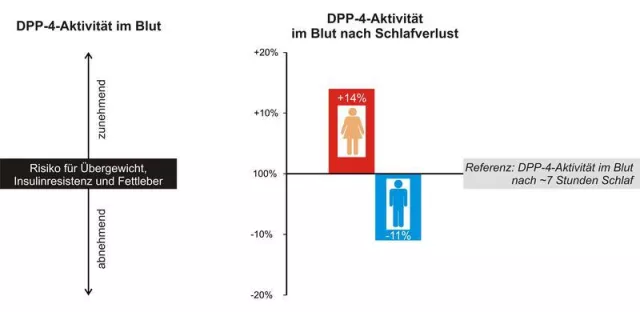
Bild: Schlafverlust wirkt sich bei Frauen und Männern unterschiedlich auf die Aktivität von DPP-4 ausBild: Schlafverlust wirkt sich bei Frauen und Männern unterschiedlich auf die Aktivität von DPP-4 aus
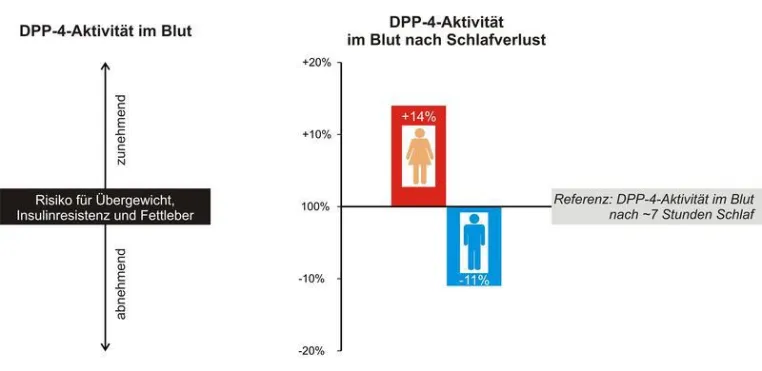
Schlafverlust wirkt sich bei Frauen und Männern unterschiedlich auf die Aktivität von DPP-4 aus
Schlafmangel hat bei Frauen und Männern eine unterschiedliche Auswirkung auf die Aktivität des Enzyms DPP-4. Nach einer Nacht ohne Schlaf bilden Frauen mehr DPP-4. Die erhöhte Enzym-Produktion kann zu Übergewicht, Leberverfettung sowie zu einer Insulin-Unempfindlichkeit führen. Bei Männern hingegen sinkt die morgendliche Aktivität des Enzyms. Das zeigt eine gemeinsame Untersuchung der Universität Uppsala, Schweden, und dem Deutschen Institut für Ernährungsforschung (DIfE), einem Partner des Deutschen Zentrums für Diabetesforschung (DZD). Die …
Bild: Behandlung von Übergewicht: Ist Stoffwechsel-gesunde Adipositas ein lohnendes erstes Ziel?Bild: Behandlung von Übergewicht: Ist Stoffwechsel-gesunde Adipositas ein lohnendes erstes Ziel?
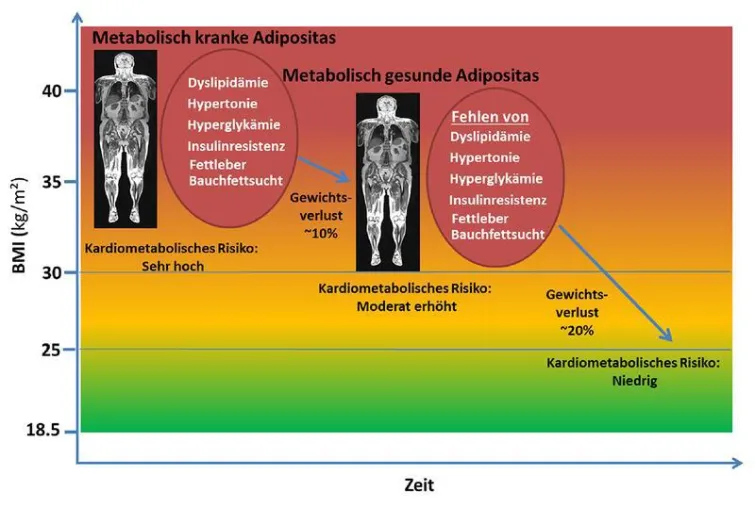
Behandlung von Übergewicht: Ist Stoffwechsel-gesunde Adipositas ein lohnendes erstes Ziel?
Weltweit ist fast jeder Dritte fettleibig. Die Folge: Immer mehr Menschen leiden auch an Krankheiten, die mit krankhaftem Übergewicht verbunden sind wie Diabetes, Bluthochdruck, Herzinfarkt oder Schlaganfall. Trotz der bekannten Gesundheitsrisiken versucht nur ein Teil der Betroffenen abzunehmen. Viele Menschen schrecken die großen geforderten Gewichtsabnahmen ab. Tübinger und Potsdamer Forscher des Deutschen Zentrums für Diabetesforschung zeigen nun in der Fachzeitschrift „The Lancet Diabetes & Endocrinology“ anhand bereits veröffentlichter …

Das könnte Sie auch interessieren:

Bild: Enzyme produced in the liver promotes obesity, fatty liver disease and insulin resistanceBild: Enzyme produced in the liver promotes obesity, fatty liver disease and insulin resistance
Enzyme produced in the liver promotes obesity, fatty liver disease and insulin resistance
… the German Center for Diabetes Research (DZD). The research team led by Schürmann has now published its findings in Molecular Metabolism. --- “DPP4 inhibitors** are well known from the treatment of diabetes. Therefore, in our opinion, they could be used in the future not only to improve the sugar metabolism but also to treat non-alcoholic fatty liver …
New treatment options for non-alcoholic fatty liver disease
… and exerts a lasting benefit. Another main focus is the development of novel blood-based biomarkers that can reliably diagnose the disease stage and predict the response to treatment. The Rhine-Main Universities (RMU) alliance will be supporting this project with EUR 100,000 in the initial phase, while subsequent funding is planned to be acquired from …
Bild: Characteristics of metabolically unhealthy lean peopleBild: Characteristics of metabolically unhealthy lean people
Characteristics of metabolically unhealthy lean people
Embargo: August, 1, 2017, 12:00pm NOON EST Compared to people who are of normal weight and metabolically healthy, subjects who are of normal weight but metabolically unhealthy (~20% of normal weight adults) have a more than three-fold higher risk of mortality and/or cardiovascular events. This risk is also higher than that of metabolically healthy obese …
Bild: How Obesity Promotes Breast CancerBild: How Obesity Promotes Breast Cancer
How Obesity Promotes Breast Cancer
… Center (DKFZ) recently reported that according to the WHO the number of children and adolescents with obesity increased tenfold between 1975 and 2016. Severe overweight can lead to various health impairments. Besides inducing cardiovascular diseases, obesity for example also promotes the development of cancer and metastases. The current study elucidates …
Optimizing therapy planning for cancers of the liver
Fraunhofer MEVIS algorithms enhance the application of radioactive microspheres in cancer treatment. --- Radioembolization is a therapy method used for liver tumors that are uncurable with surgery or chemotherapy. Thorough development of an individual planning is important for successful treatment. Within the SIRTOP project, the Fraunhofer Institute …
Dutch study: Overweight is a high risk factor for complications in hip and knee replacement
Dutch study: Overweight is a high risk factor for complications in hip and knee replacement -- Experts urge obese patients to reduce weight before surgery Obesity among those who have had a total hip joint replacement results in a 3.3-fold increased risk of infection and a 1.5-fold increased risk of aseptic loosening. Additionally, the risk of thromboembolism …
Bild: Mit der Höhe des Übergewichts steigt das Risiko für Herz-Kreislauf-Krankheiten stark anBild: Mit der Höhe des Übergewichts steigt das Risiko für Herz-Kreislauf-Krankheiten stark an
Mit der Höhe des Übergewichts steigt das Risiko für Herz-Kreislauf-Krankheiten stark an
… ab 35) sogar nahezu auf das 15-fache an. Diese Beziehung galt für Männer und Frauen sowie für jüngere und ältere Teilnehmer gleichermaßen. Quelle Mika Kivimäki et al., Overweight, obesity, and risk of cardiometabolic multimorbidity: pooled analysis of individual-level data for 120 813 adults from 16 cohort studies from the USA and Europa. In: Lancet …
Bild: Immune cells help fat deal with environmental challengesBild: Immune cells help fat deal with environmental challenges
Immune cells help fat deal with environmental challenges
… colleagues, determined that the number of Tregs in adipose tissue increases in response to different environmental stimuli. These stimuli included a short-term cold treatment, stimulation of the sympathetic nervous system (?3-adrenoreceptors) or short-term high-caloric exposure. “All these stimuli supported those immunosuppressive cells directly in the adipose …
Bild: Trigger for Fatty Liver in ObesityBild: Trigger for Fatty Liver in Obesity
Trigger for Fatty Liver in Obesity
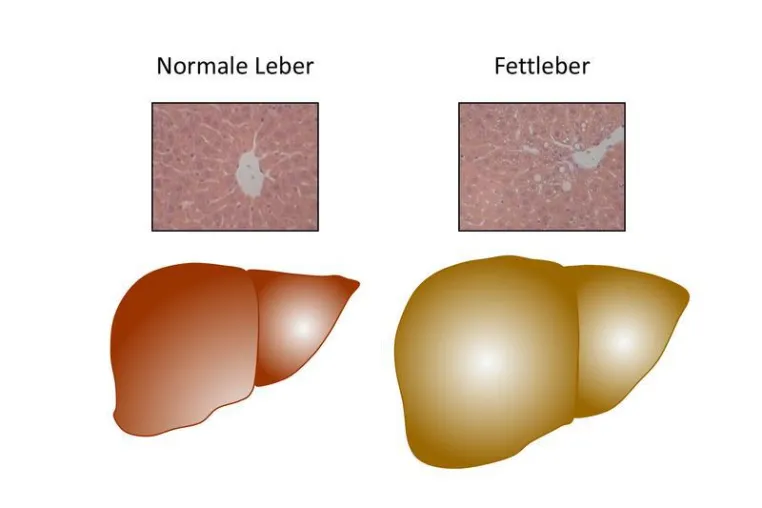
… in case of obesity contributing to fatty liver disease. “The described signaling pathway of Fas and BID could serve as a novel target for a better treatment of fatty liver disease associated with obesity,” Daniel Konrad explains. Literature: Flurin Item, Stephan Wueest, Vera Lemos, Sokrates Stein, Fabrizio C. Lucchini, Rémy Denzler, Muri-el C. Fisser, …
Bild: Behandlung von Übergewicht: Ist Stoffwechsel-gesunde Adipositas ein lohnendes erstes Ziel?Bild: Behandlung von Übergewicht: Ist Stoffwechsel-gesunde Adipositas ein lohnendes erstes Ziel?
Behandlung von Übergewicht: Ist Stoffwechsel-gesunde Adipositas ein lohnendes erstes Ziel?
… Diabeteskongress des EASD (European Association for the Study of Diabetes), der vom 11. bis 15 September in Lissabon stattfindet, steht das Thema “The paradox of metabolically healthy obesity” unter Leitung von Nobert Stefan am Freitag auf dem Programm. * Menschen mit metabolisch gesunder Adipositas weisen maximal einen der folgenden Risikofaktoren …
Sie lesen gerade: Treatment of Overweight: Is Metabolically Healthy Obesity a Worthwhile Initial Goal?