openPR Recherche & Suche
Presseinformation

Police Violence Depends on Community-level Racial Bias

16.08.201714:00 UhrWissenschaft, Forschung, Bildung
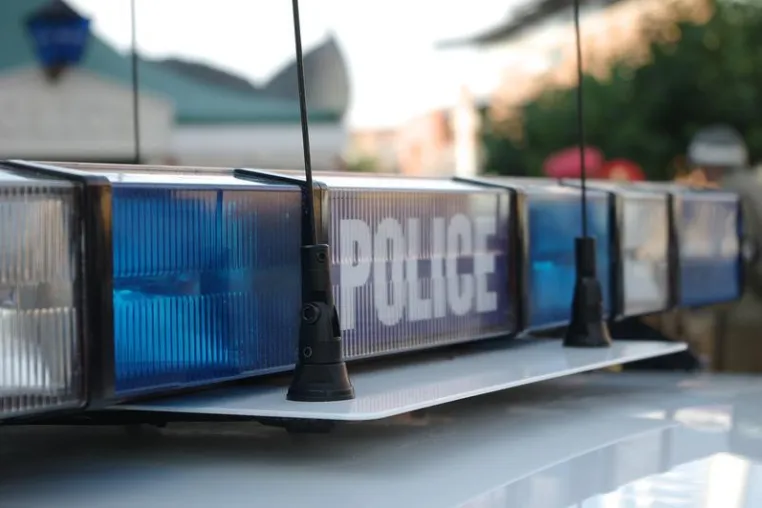
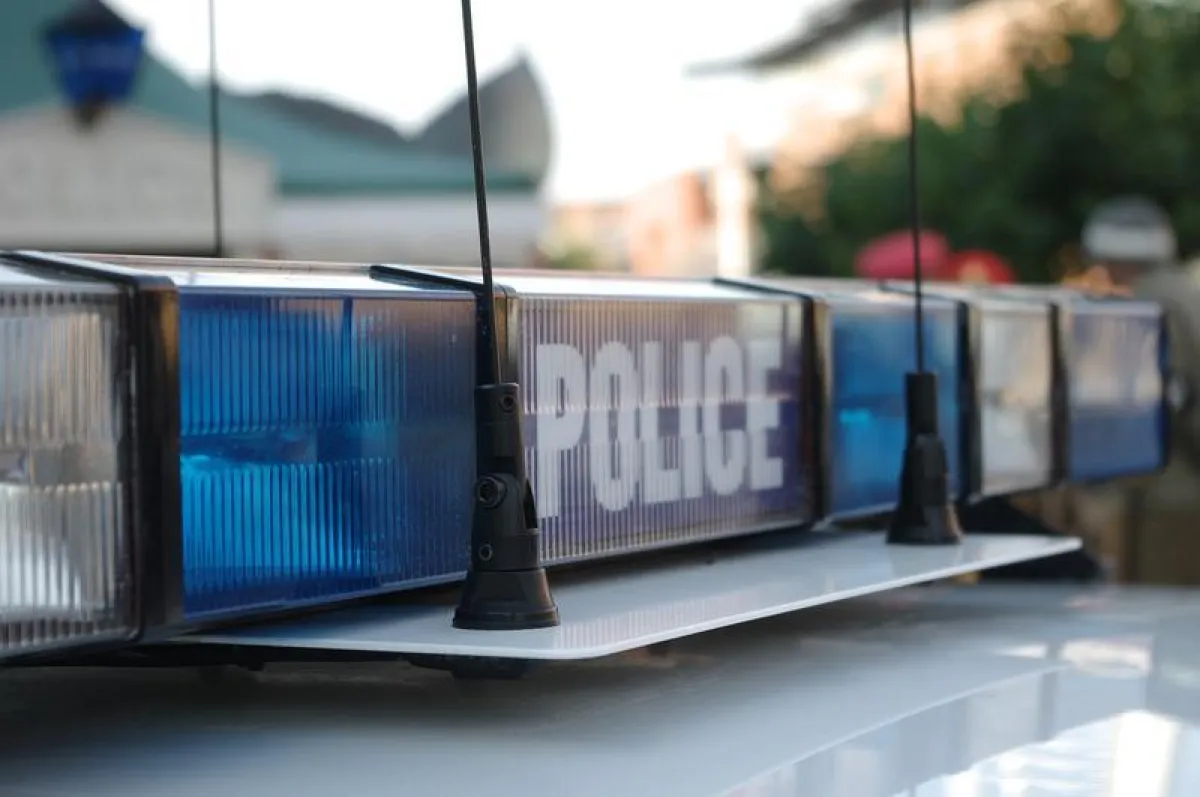
Bild: Police Violence Depends on Community-level Racial Bias
Photo: Matthew Ring/Wikimedia Commons ()

(openPR) The racial biases of whites in a community predicts police use of lethal force against black Americans

---
Trayvon Martin, Michael Brown, and Philando Castiles – these are just some of the names in the increasing number of news reports about black Americans being shot by police in the US in the last few years. Most of these cases involved men who were unarmed and had no criminal record or intent. This has resulted in widespread public outcry. Were these men the victims of the racism of white Americans? A new study shows a relationship between lethal police force and racial bias. Social cognition researcher Dr. Jimmy Calanchini, who is currently a visiting researcher at the University of Freiburg, and his colleagues have discovered the following: The racial biases of whites against blacks in a given region predicts how likely it is that black Americans are killed by police in that region. The research team used a big-data approach to create the first statistical model for using racial bias to predict lethal police force. They recently published the results of their research in the peer-reviewed scientific journal Social Psychological and Personality Science.


Calanchini and his fellow cognitive scientists studied the so-called "implicit bias" of more than two million Americans all over the United States. Implicit bias refers to the more or less subconscious views people have about people they meet. Is a person friendly or stand-offish, good or bad, harmless or dangerous? In their work, the group chose a new approach: Instead of studying the implicit biases of individual police officers against different racial groups, they focused on the context in which police work normally takes place. The scientists combined data from police databases with demographic factors from different areas, along with the implicit and explicit biases of people living in those areas.
“We expected certain economic and demographic factors to play a role – like standard of living, level of education, and crime levels in a given region,” said Calanchini. “But in fact it was the implicit biases of the residents and how strongly they associate certain social groups with threat that predicts how likely police will use violence.” Black Americans are especially affected by this. Calanchini added, “In areas where bias against them is strong, there is a greater likelihood that they will be killed by police.” The researchers stressed, however, that this is not specifically a problem of the police. Calanchini said, “Our research showed that regional context plays a role in how police make speedy life-or-death decisions.”

However, Calanchini cautioned against drawing strong conclusions about racism causing police behavior. “One interpretation of our results might be that the racial biases of the community cause police to use more lethal force against black Americans. However, another interpretation might be that, in regions where Black Americans are killed by police for any variety of reasons, these cases may get covered in local news and, consequently, people in the community become more biased against black Americans. Based on these data, we cannot rule out either explanation at this time.”
Jimmy Calanchini earned his Ph.D. in social psychology from the University of California, Davis, in the US. He has been a visiting researcher in Social Psychology and Methodology at the Department of Psychology of the University of Freiburg since August 2016. He is a recipient of a two-year post-doc fellowship from the Alexander von Humboldt Foundation. Calanchini’s co-authors on this project are Eric Hehman, Ph.D, of Ryerson University in Toronto, Canada, and Jessica K. Flake of York University in Toronto, Canada.

Original Publication:
Eric Hehman, Jessica Flake, Jimmy Calanchini: Disproportionate use of lethal force in policing is associated with regional racial biases of residents. In: Social Psychological and Personality Science.

Contact:
Dr. Jimmy Calanchini
Department of Psychology
University of Freiburg
E-Mail: E-Mail

Weitere Informationen:
- https://www.pr.uni-freiburg.de/pm-en/2017/police-violence-depends-on-community-level-racial-bias?set_language=en

Quelle: idw
Diese Pressemeldung wurde auf openPR veröffentlicht.

Verantwortlich für diese Pressemeldung:

News-ID: 963788
 482

Kostenlose Online PR für alle

Jetzt Ihren Pressetext mit einem Klick auf openPR veröffentlichen

Jetzt gratis starten

Pressebericht „Police Violence Depends on Community-level Racial Bias“ bearbeiten oder mit dem "Super-PR-Sparpaket" stark hervorheben, zielgerichtet an Journalisten & Top50 Online-Portale verbreiten:

PM löschen PM ändern
Disclaimer: Für den obigen Pressetext inkl. etwaiger Bilder/ Videos ist ausschließlich der im Text angegebene Kontakt verantwortlich. Der Webseitenanbieter distanziert sich ausdrücklich von den Inhalten Dritter und macht sich diese nicht zu eigen. Wenn Sie die obigen Informationen redaktionell nutzen möchten, so wenden Sie sich bitte an den obigen Pressekontakt. Bei einer Veröffentlichung bitten wir um ein Belegexemplar oder Quellenennung der URL.

Pressemitteilungen KOSTENLOS veröffentlichen und verbreiten mit openPR

Stellen Sie Ihre Medienmitteilung jetzt hier ein!

Jetzt gratis starten

Weitere Mitteilungen von Albert-Ludwigs-Universität Freiburg im Breisgau

Bild: Illegale Jagd auf Elefanten in OstafrikaBild: Illegale Jagd auf Elefanten in Ostafrika
Illegale Jagd auf Elefanten in Ostafrika
Internationales Forscherteam hat Muster von Wilderei in Tansania aufgedeckt --- Eine internationale Forschergruppe hat Luftaufnahmen eines Naturreservats in Ostafrika analysiert und dabei Muster der illegalen Jagd auf Elefanten aufgedeckt. Die Analyse zeigt, dass sich auf dem Höhepunkt der Wilderei-Krise in Tansania von 2013 bis 2015 eine Häufung von Elefantenkadavern in der Nähe von drei Rangerstationen befand. Das lege an manchen Orten in der Region Ruaha-Rungwa eine Verbindung zwischen den Wilderern und Parkaufsehern nahe. „Es gibt schon …
Bild: Anselm Kiefer erhält EhrendoktorwürdeBild: Anselm Kiefer erhält Ehrendoktorwürde
Anselm Kiefer erhält Ehrendoktorwürde
Die Philologische und Philosophische Fakultät der Universität Freiburg würdigen das Werk des Künstlers --- Die gemeinsame Kommission der Philologischen und Philosophischen Fakultät der Universität Freiburg hat Prof. Anselm Kiefer die Ehrendoktorwürde verliehen. Sie würdigt damit einen der bedeutendsten deutschen Künstler der Gegenwart. „Die Albert-Ludwigs-Universität ehrt mit Anselm Kiefer einen kritischen Künstler, dessen Werke notwendige gesellschaftliche Debatten angestoßen haben. Auf dem Feld der bildenden Kunst erfüllt er damit einen An…

Das könnte Sie auch interessieren:

Mit CHARE fur Center for Anti­-Violence Education und gegen Gewalt spenden
New Yorker Center for Anti­-Violence Education wird neue Hilfsorganisation bei CHARE und CHARE­-Nutzer konnen sich mit ihrer gespendeten Onlinezeit aktiv gegen Gewalt einsetzen. Das New Yorker Center for Anti­-Violence Education (CAE) unterrichtet seit mehr als 40 Jahren junge Madchen und Frauen in Kampfkunst, um sie zu starken und vor Gewalt in ihrem …
Religion und Gewalt
Religion und Gewalt
… Welt gehen der Frage nach, wie kollektive Erfahrungen von Gewalt vom Mittelalter bis in die Neuzeit wahrgenommen werden. Die Veranstaltung mit dem Titel „Religion and Violence in Transcultural Contexts“ findet am 14. und 15. September 2010 statt. „Verstrickungen zwischen Religion und Gewalt werden oft als traumatische Erfahrungen erlebt und haben tiefgreifende …
Bild: Vermarktungspotentiale für Wein im fachhandelsnahen Lebensmittel-EinzelhandelBild: Vermarktungspotentiale für Wein im fachhandelsnahen Lebensmittel-Einzelhandel
Vermarktungspotentiale für Wein im fachhandelsnahen Lebensmittel-Einzelhandel
… non-specialist supermarkets follow this idea and offer wine departments with a big choice and a good quality. But not all supermarkets changes their product lines as this depends on certain factors. Macrom Marketingresearch& Consult has analysed the German food retail trade and has set up a concept for detecting those supermarkets that are interested in …
Neue Liberale: EU-Gipfel führt zu Racial Profiling
… Meer haben Flüchtlinge davon abgehalten, nach Europa zu kommen. „Jetzt erhalten Nationalstaaten das Recht, Reisende stärker zu kontrollieren. In der Praxis führt das zu Racial Profiling“, erklärt Chris Pyak, Spitzenkandidat der Neuen Liberalen bei der Wahl zum EU-Parlament 2019. „Wer glaubt, dass die blonde Südafrikanerin kontrolliert wird, aber der …
Bild: Stefan Kühn: Home Bias und internationale ETFs - Chancen und HerausforderungenBild: Stefan Kühn: Home Bias und internationale ETFs - Chancen und Herausforderungen
Stefan Kühn: Home Bias und internationale ETFs - Chancen und Herausforderungen
Die Tendenz vieler Anleger, den Großteil ihres Vermögens in heimische Anlagen zu investieren, wird als Home Bias bezeichnet. Stefan Kühn, Ökonom und Finanzexperte, zeigt Ursachen, Risiken und Strategien zur Überwindung dieses Phänomens auf.Home Bias: Ein weit verbreitetes PhänomenHome Bias ist eine Form der kognitiven Verzerrung, erklärt Kühn. Sie führt …
Alltagsdiskriminierung untergräbt Vertrauen in die Polizei
… auch institutionelle und strukturelle Ebenen einbeziehen.“wissenschaftliche Ansprechpartner:Prof. Dr. Sabrina MayerLehrstuhl für Politische SoziologieOriginalpublikation:Walter, L., & Mayer, S. J. (2025). Beyond police encounters: everyday racism and trust in the police. Ethnic and Racial Studies, 1–21. https://doi.org/10.1080/01419870.2025.2561173
Bild: Polizeigewalt hängt von den Vorurteilen einer Gemeinde abBild: Polizeigewalt hängt von den Vorurteilen einer Gemeinde ab
Polizeigewalt hängt von den Vorurteilen einer Gemeinde ab
… Hehman, Jessica Flake, Jimmy Calanchini: Disproportionate use of lethal force in policing is associated with regional racial biases of residents. In: Social Psychological and Personality Science. Kontakt: Dr. Jimmy Calanchini Psychologisches Institut Albert-Ludwigs-Universität Freiburg E-Mail: Weitere Informationen: - https://www.pr.uni-freiburg.de/pm/2017/polizeigewalt-hangt-von-den-vorurteilen-einer-gemeinde-ab?set_language=de Quelle: …
Yoga to heal: The Ahimsa Festival Los Angeles supporting Services for Victims of Domestic Violence
Los Angeles, CA – June 27, 2012 - Ahimsa translates from Sanskrit as “the principal of non violence to all living things”. The founder Julie Kundert was inspired to initiate The Ahimsa Festival Foundation due to her own experience with the Valley CARES Family Trauma Center, a service supporting victims of domestic violence. Her story is an inspiration …
Bild: Bugcrowd bietet AI Bias Assessment für LLM-AnwendungenBild: Bugcrowd bietet AI Bias Assessment für LLM-Anwendungen
Bugcrowd bietet AI Bias Assessment für LLM-Anwendungen
Neues Angebot im Bugcrowd-Portfolio für KI-Sicherheit nutzt menschliche Kreativität, um Datenverzerrungen zu ermitteln Bugcrowd, Anbieter von Crowdsourced Security, hat die Verfügbarkeit von AI Bias Assessments als Teil seines Portfolios für AI Safety and Security auf der Bugcrowd-Plattform bekanntgegeben. AI Bias Assessment nutzt die Leistung der Crowd, …
Sie lesen gerade: Police Violence Depends on Community-level Racial Bias