openPR Recherche & Suche
Presseinformation

Aircraft Engine Monitoring: How It Works

19.04.201612:54 UhrWissenschaft, Forschung, Bildung
Bild: Aircraft Engine Monitoring: How It Works

(openPR) When the passengers are informed that an aircraft cannot take off due to technical reasons, it usually means that the airline not only has to have the aircraft towed away for expensive emergency repairs, it has to make alternate arrangements to fly the passengers maybe even provide accommodation and food while the passengers are waiting. All put together, it can be one big frightful bill and just a few of these in a year would be enough to dent the airline's profitability.


The above is of course, is the better scenario when compared to an aircraft that develops a technical fault during flight. That one can be really scary. Modern well run airlines will go to great lengths to ensure such incidents are minimized if not totally eliminated and they do this through aircraft engine monitoring which happens right from the moment the engines are switched on.

Aircraft engine monitoring – how it works
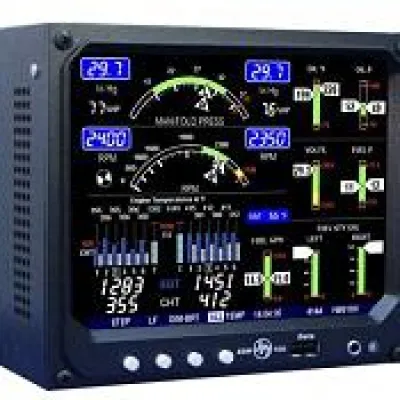
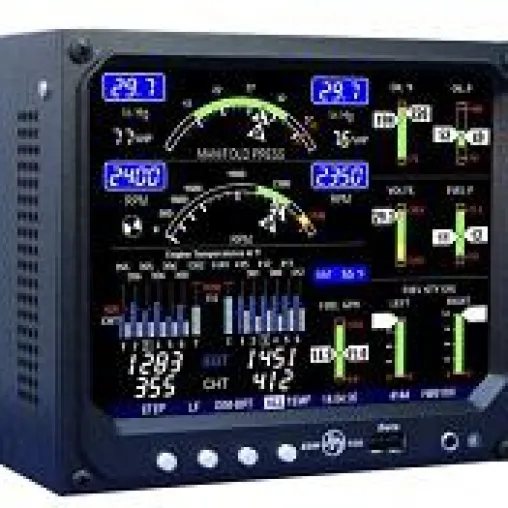
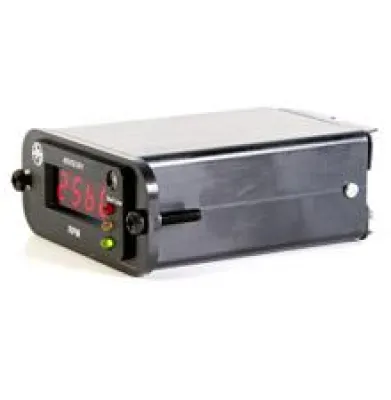
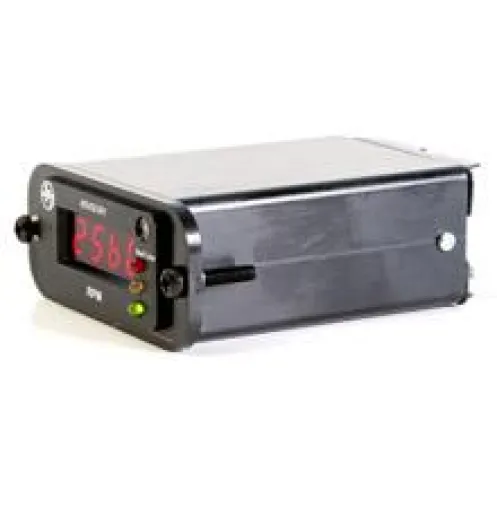
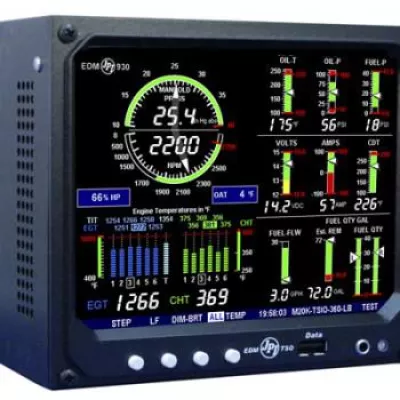
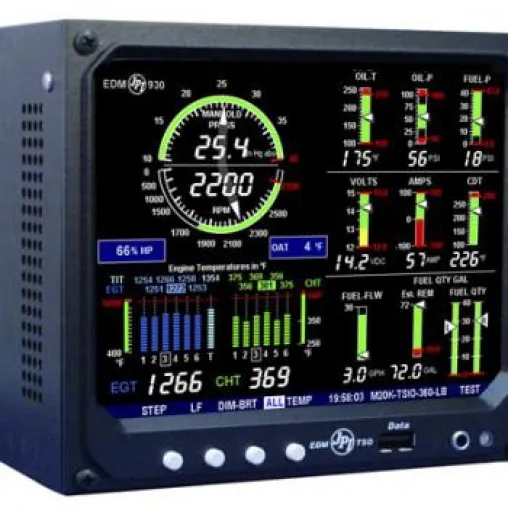
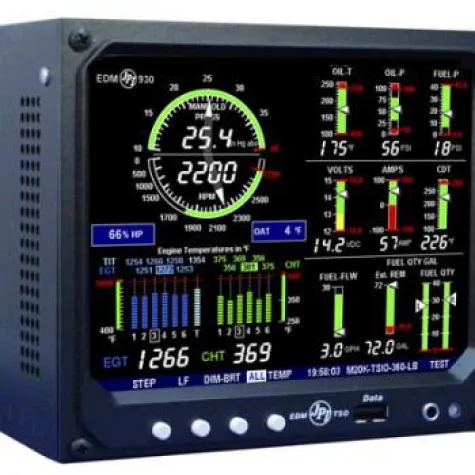
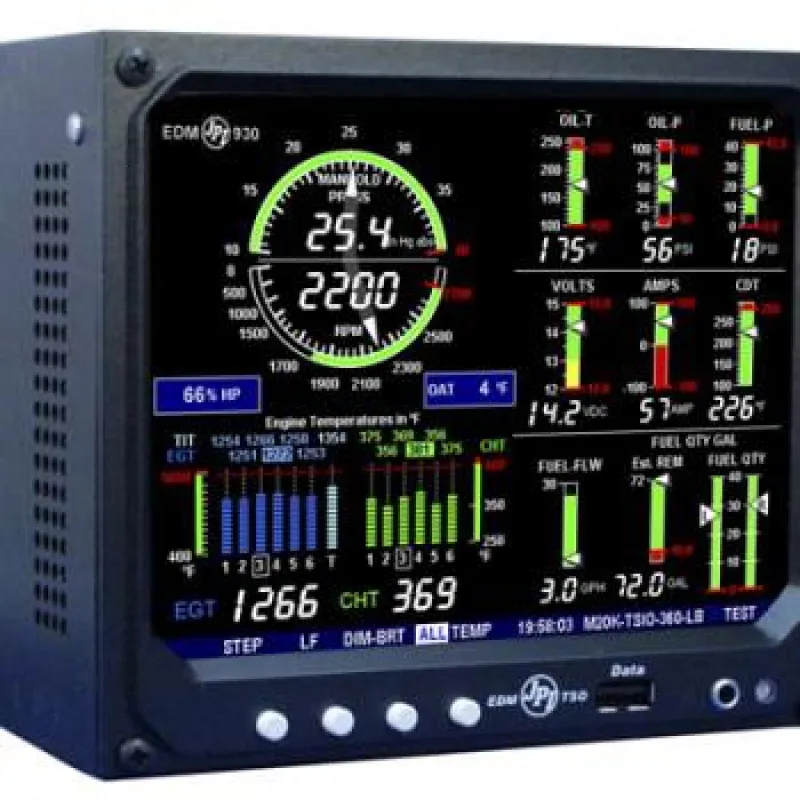
Every modern aircraft has these little devices called “sensors” strategically placed at various locations inside (and a few outside) the aircraft body. These sensors are linked to monitoring / display units in the cockpit. So for example, if one of the engines is heating up, the display will not only indicate the rising temperature but will also engage an audio-visual alarm that will instantly grab the pilots attention.

The airlines and their maintenance team of course aim for the Fuel Gauges to never reach the stage wherein an audio-visual alarm gets triggered – especially during flight. They do this by remote monitoring. Modern wide-bodied aircraft not only display engine and aircraft data in the cockpit, the same data is also transmitted to ground based servers where it is analyzed by service engineers. More often than not, an alert service engineer can detect the beginnings of a technical snag or problem long before it actually manifests itself as a audio-visual warning. The service engineer can instantly contact the pilots and inform them on the course of action that can be taken to stop the problem from getting bigger and becoming life-threatening. Of course, the transmission of aircraft engine monitoring data to the ground based server is not continuous but automatically occurs in bursts every few hours. Additionally, the pilots too can press a button and transmit the data to the ground crew so they have more up-to-date information especially if the pilots think there is some technical snag developing.

Smaller aircraft do not have remote monitoring feature but with Airplane Gauges alone, an alert (and knowledgeable) pilot can detect the beginnings of a technical snag. The difference here is that the ground maintenance crew also have assistance from sophisticated software whereas in the case of smaller aircraft, the pilots have to do all the grunt work. This is not as tough as it sounds because smaller planes are actually less complex when compared to larger ones. Also, the smaller planes have either one or usually, just two engines.

So next time you fly, remember that the aircraft engine is being constantly monitored and thanks to aircraft engine monitoring, flying is one of the safest modes of transport.
Diese Pressemeldung wurde auf openPR veröffentlicht.

Verantwortlich für diese Pressemeldung:

News-ID: 900167
 818

Kostenlose Online PR für alle

Jetzt Ihren Pressetext mit einem Klick auf openPR veröffentlichen

Jetzt gratis starten

Pressebericht „Aircraft Engine Monitoring: How It Works“ bearbeiten oder mit dem "Super-PR-Sparpaket" stark hervorheben, zielgerichtet an Journalisten & Top50 Online-Portale verbreiten:

PM löschen PM ändern
Disclaimer: Für den obigen Pressetext inkl. etwaiger Bilder/ Videos ist ausschließlich der im Text angegebene Kontakt verantwortlich. Der Webseitenanbieter distanziert sich ausdrücklich von den Inhalten Dritter und macht sich diese nicht zu eigen. Wenn Sie die obigen Informationen redaktionell nutzen möchten, so wenden Sie sich bitte an den obigen Pressekontakt. Bei einer Veröffentlichung bitten wir um ein Belegexemplar oder Quellenennung der URL.

Pressemitteilungen KOSTENLOS veröffentlichen und verbreiten mit openPR

Stellen Sie Ihre Medienmitteilung jetzt hier ein!

Jetzt gratis starten

Weitere Mitteilungen von J.P. Instruments Inc.

Bild: Use of CHT and EGT Gauges and MonitorsBild: Use of CHT and EGT Gauges and Monitors
Use of CHT and EGT Gauges and Monitors
Just so we are on the same page, CHT stands for Cylinder Head Temperature and EGT stands for Exhaust Gas Temperature and in the case of this article, these refer to the aircraft engine cylinder and aircraft engine exhaust gases (same terminology is also used in high-performance cars). Before we get on to the use of CHT and EGT gauges and monitors, we need to first understand CHT and EGT data. CHT and EGT provides information of two different things that is happening inside the aircraft engine. The former i.e. CHT data specifically points to …
Bild: Electronic Data Management Systems: How It WorksBild: Electronic Data Management Systems: How It Works
Electronic Data Management Systems: How It Works
The basics of electronic data management systems (EDMS) in aircraft are pretty simple. The EDMS essentially consists of two parts – probes & sensors and the display unit(s). The probes and sensors are located at various critical parts of the aircraft and convert heat, pressure or whatever it is supposed to sense, into electrical signals usually in the form of volts. These signals are interpreted by the display unit and displayed in a manner that makes sense to the pilot(s). There are two types of probes and sensors used in modern aircraft; i…

Das könnte Sie auch interessieren:

Bild: Flexible And Powerful Aircraft Fuel Flow InstrumentsBild: Flexible And Powerful Aircraft Fuel Flow Instruments
Flexible And Powerful Aircraft Fuel Flow Instruments
A flexible aircraft fuel gauge is one that can be programmed by the pilot. By powerful we mean it can automatically provide data to your GPS or on-board integrated electronic flight instrument system which in turn can calculate fuel status for a particular flight path or destination. Difficult to believe but there are many pilots out there that still …
Bild: Telespazio VEGA Deutschland entwickelt Aircraft Systems Trainer für den MRH90-HubschrauberBild: Telespazio VEGA Deutschland entwickelt Aircraft Systems Trainer für den MRH90-Hubschrauber
Telespazio VEGA Deutschland entwickelt Aircraft Systems Trainer für den MRH90-Hubschrauber
… von Software- und Hardwarelösung Die Telespazio VEGA Deutschland, eine Tochterfirma der Telespazio (Finmeccanica/Thales), hat von Airbus Group Australia Pacific den Auftrag erhalten, den Aircraft Systems Trainer (AST) für den Transporthubschrauber MRH90 zu entwickeln. Dieser wird an der Rotary Wing Aircraft Maintenance School (RAMS) der Australian Army …
Bild: Intensiv-Workshop "Realtime Recommendation Engines" - Dr. Andreas Ittner auf dem Business Intelligence Forums 2006Bild: Intensiv-Workshop "Realtime Recommendation Engines" - Dr. Andreas Ittner auf dem Business Intelligence Forums 2006
Intensiv-Workshop "Realtime Recommendation Engines" - Dr. Andreas Ittner auf dem Business Intelligence Forums 2006
… der Strategieberatung Dr. Ittner hält am 29.09.2006 im Anschluss an das Business Intelligence Forum in Mainz einen ganztägigen Intensiv-Workshop zum Thema "Realtime Recommendation Engines - how it works." "Der Bedarf an einer intelligenten, selbstlernenden Produkt- Empfehlungsmaschine ("Kunden, die X gekauft haben, haben auch Y gekauft!"), die völlig …
Bild: Electronic Data Management Systems: How It WorksBild: Electronic Data Management Systems: How It Works
Electronic Data Management Systems: How It Works
… own fully capable of accepting pilot inputs before each flight and providing downloadable data after each flight. Each electronic data management system is capable of independently monitoring its allotted function and display an alarm if something suspicious happens. Examples would be build up of excessive temperature or pressure or low Airplane Gauges …
Bild: Multi-Engine Aircraft Fuel Management SystemsBild: Multi-Engine Aircraft Fuel Management Systems
Multi-Engine Aircraft Fuel Management Systems
If you are still calculating fuel status manually then isn't it high time you switched over to an automatic single or multi-engine aircraft fuel management system – if not for your own safety, at least for the safety of your passengers? A modern single or multi-engine aircraft fuel management system especially like the ones manufactured by J.P. Instruments …
Bild: Use of CHT and EGT Gauges and MonitorsBild: Use of CHT and EGT Gauges and Monitors
Use of CHT and EGT Gauges and Monitors
… so we are on the same page, CHT stands for Cylinder Head Temperature and EGT stands for Exhaust Gas Temperature and in the case of this article, these refer to the aircraft engine cylinder and aircraft engine exhaust gases (same terminology is also used in high-performance cars). Before we get on to the use of CHT and EGT gauges and monitors, we need …
Bild: Aircraft Digital Instrument and Monitoring SystemBild: Aircraft Digital Instrument and Monitoring System
Aircraft Digital Instrument and Monitoring System
An aircraft digital instrument and monitoring system is not something you find in a aircraft maintenance garage; it is something you find inside the cockpit of a modern or an upgraded aircraft. Aircraft Digital Instrument and Monitoring System basically replaced the OEM vintage dials and gauges that aircraft until a decade or so ago, came equipped with. …
Bild: Sensing and The Display Mechanism of Aircraft Sensor SystemsBild: Sensing and The Display Mechanism of Aircraft Sensor Systems
Sensing and The Display Mechanism of Aircraft Sensor Systems
… they measure all kinds of temperatures. Each sensor is meant for a specific purpose and these include sending of air temperature, ice detection, oil system monitoring, engine pressure monitoring, engine temperature, speed and torque monitoring, EGT Probe, fuel flow monitoring, liquid level monitoring (fuel, oil etc) . Tethered sensors generally have …
Bild: Gauges for Single and Twin Engine AircraftBild: Gauges for Single and Twin Engine Aircraft
Gauges for Single and Twin Engine Aircraft
… previous flight, Hobbs® timer etc. The EDM 930 can easily replace almost every dial and Digital EGT Gauge in your single engine aircraft. They have a similar version (EDM 960 Twin) meant for twin engine aircraft. By doing the engine monitoring for you, these new EDM’s put the pleasure of flying back into your aircraft. It’s definitely time to upgrade!
Bild: Value of Digital EGT Gauge for Precision Engine MonitoringBild: Value of Digital EGT Gauge for Precision Engine Monitoring
Value of Digital EGT Gauge for Precision Engine Monitoring
… forces and Nazi Germany. So how does the presence of an EGT probe and the Exhaust Gas Temperature display unit (EGT) help improve aircraft power, range and assist in precision engine monitoring? This is how it worked: If fuel is not efficiently burnt, it passes out of the engine and into the exhaust. Such fuel laden exhaust is termed “rich”. On the …
Sie lesen gerade: Aircraft Engine Monitoring: How It Works