openPR Recherche & Suche
Presseinformation

Multi-Engine Aircraft Fuel Management Systems

28.01.201619:51 UhrWissenschaft, Forschung, Bildung
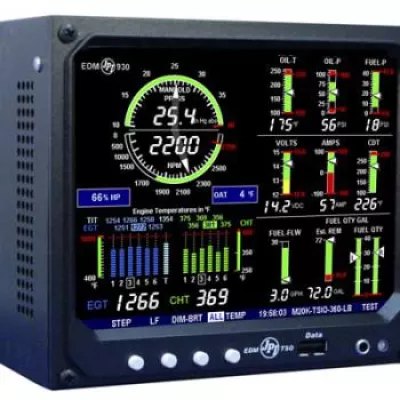
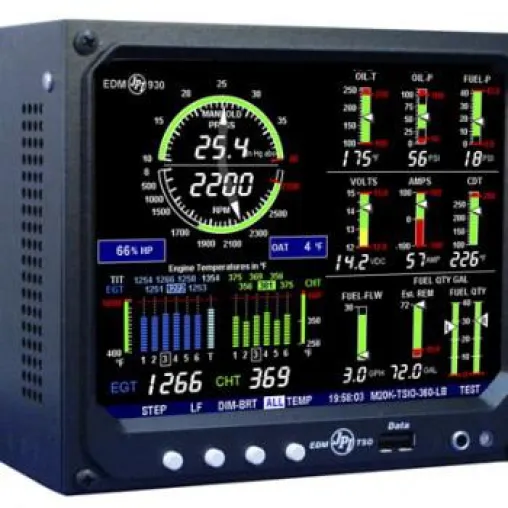
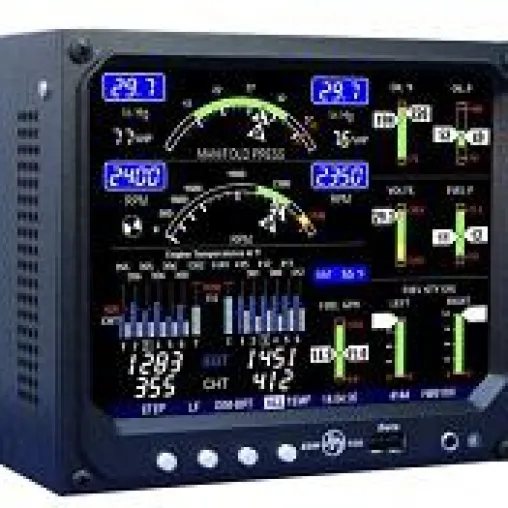
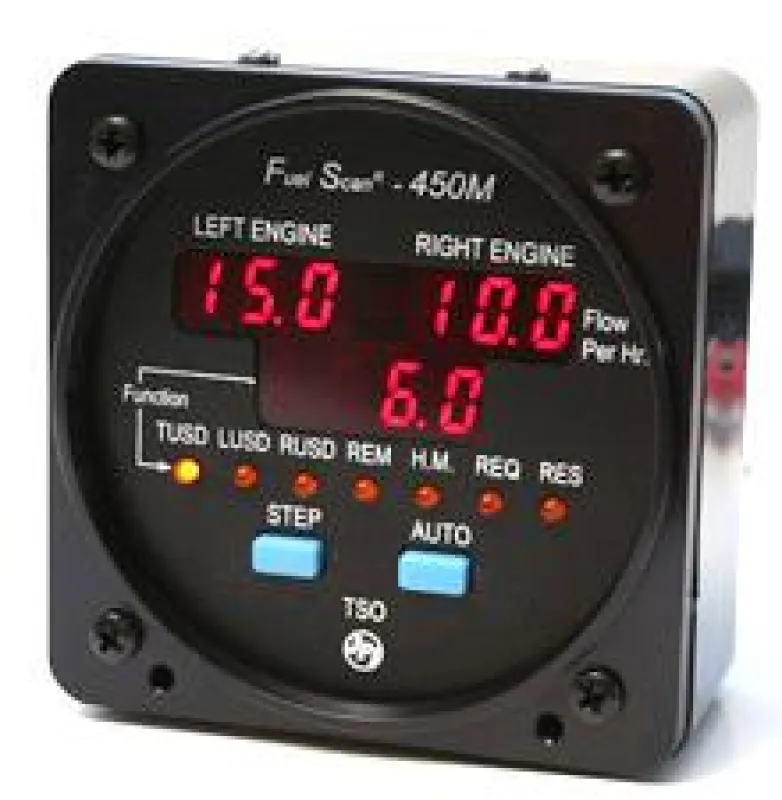
Bild: Multi-Engine Aircraft Fuel Management Systems

(openPR) If you are still calculating fuel status manually then isn't it high time you switched over to an automatic single or multi-engine aircraft fuel management system – if not for your own safety, at least for the safety of your passengers?

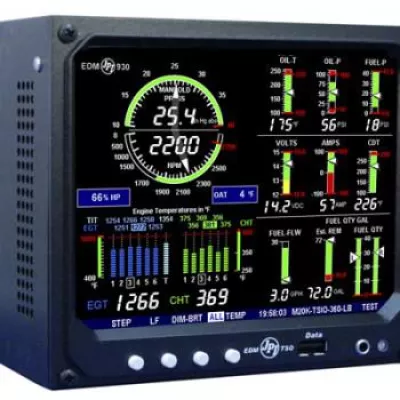
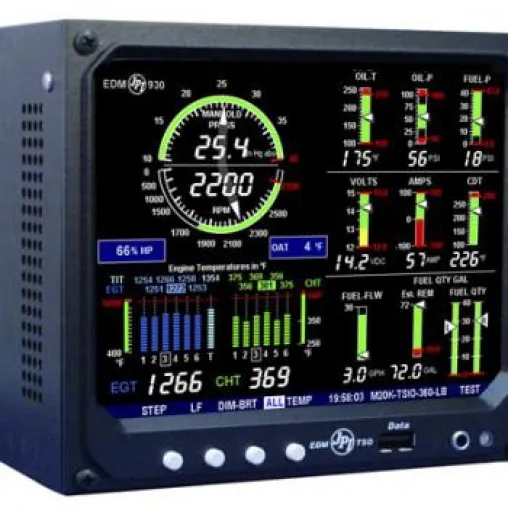
A modern single or multi-engine aircraft fuel management system especially like the ones manufactured by J.P. Instruments not only just displays the fuel consumption and fuel in the tank(s), it can be integrated with your GPS so you know if there will be enough fuel for your selected flight path. You can even change the flight mid-way and the integrated system will recalculate the fuel requirement as well as reserve quantity at end of flight path or balance fuel on reaching selected waypoint.


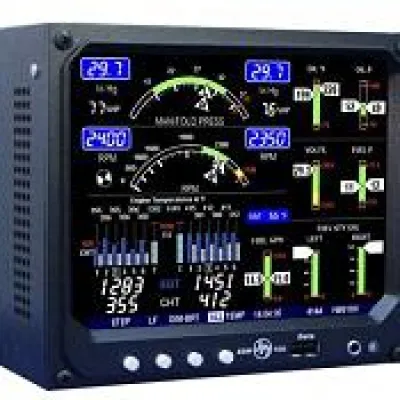
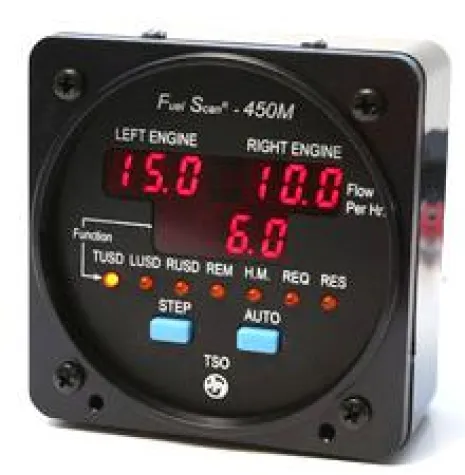
A modern single or multi-engine aircraft Digital Gauges management system especially like the ones manufactured by J.P. Instruments (e.g. the FS-450M) has the following built-in features:
1. Fuel quantity can be set to display in litres, gallons or pounds
2. Programmable low fuel alarm
3. Programmable low fuel time alarm
4. Bi-directional serial GPS interface
5. Works using solid-state pulse generating rotor fuel flow transducers
6. Real-time fuel flow rate
7. Fuel consumption in real-time
8. Fuel consumption by each engine
9. Balance fuel
10. Time to empty (EOT) at the current flow rate
11. Quantity of fuel required to reach next waypoint
12. Projected fuel balance on reaching next waypoint
13. Can calculate/display nautical miles per gallon of fuel.

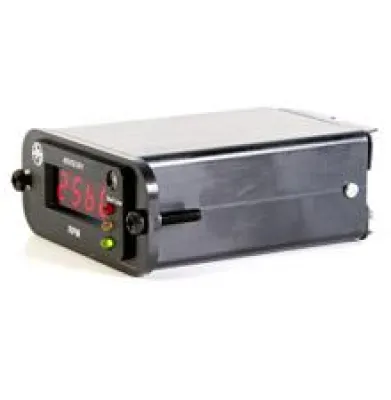
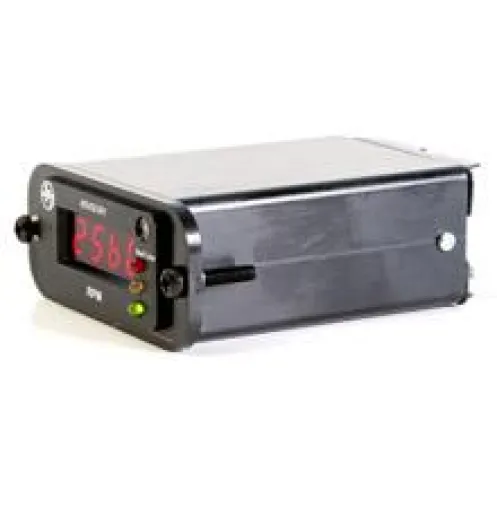
Modern single or multi-engine RPM Sensor management system especially like the ones manufactured by J.P. Instruments e.g. the FS-450M Fuel Scan (FAA Approved); measure the fuel flowing into each engine by using small turbine transducers. As fuel flow increases, the transducer turbine rotate faster which in turn generates a faster pulse rate. These are measured in thousands of pulses per gallon of fuel and results in very accurate fuel reading.

Modern single or multi-engine Aircraft Flight Instruments also have programmable alarms. The pilot can programme the Fuel Management System (FMS) to display a visual alarm if the fuel falls below a pre-set limit. Once the fuel level falls below the pre-set limit, the FMS will show time left (in minutes) to empty. Once the pilot is alerted as to the fuel status, the pilot can switch off the alarms.

Modern single or multi-engine aircraft fuel management systems takes into account both main as well as auxiliary fuel tanks and before take-off, the pilot can key-in the precise quantity of fuel in the tanks.
Diese Pressemeldung wurde auf openPR veröffentlicht.

Verantwortlich für diese Pressemeldung:

News-ID: 888490
 538

Kostenlose Online PR für alle

Jetzt Ihren Pressetext mit einem Klick auf openPR veröffentlichen

Jetzt gratis starten

Pressebericht „Multi-Engine Aircraft Fuel Management Systems“ bearbeiten oder mit dem "Super-PR-Sparpaket" stark hervorheben, zielgerichtet an Journalisten & Top50 Online-Portale verbreiten:

PM löschen PM ändern
Disclaimer: Für den obigen Pressetext inkl. etwaiger Bilder/ Videos ist ausschließlich der im Text angegebene Kontakt verantwortlich. Der Webseitenanbieter distanziert sich ausdrücklich von den Inhalten Dritter und macht sich diese nicht zu eigen. Wenn Sie die obigen Informationen redaktionell nutzen möchten, so wenden Sie sich bitte an den obigen Pressekontakt. Bei einer Veröffentlichung bitten wir um ein Belegexemplar oder Quellenennung der URL.

Pressemitteilungen KOSTENLOS veröffentlichen und verbreiten mit openPR

Stellen Sie Ihre Medienmitteilung jetzt hier ein!

Jetzt gratis starten

Weitere Mitteilungen von J.P. Instruments Inc.

Bild: Use of CHT and EGT Gauges and MonitorsBild: Use of CHT and EGT Gauges and Monitors
Use of CHT and EGT Gauges and Monitors
Just so we are on the same page, CHT stands for Cylinder Head Temperature and EGT stands for Exhaust Gas Temperature and in the case of this article, these refer to the aircraft engine cylinder and aircraft engine exhaust gases (same terminology is also used in high-performance cars). Before we get on to the use of CHT and EGT gauges and monitors, we need to first understand CHT and EGT data. CHT and EGT provides information of two different things that is happening inside the aircraft engine. The former i.e. CHT data specifically points to …
Bild: Aircraft Engine Monitoring: How It WorksBild: Aircraft Engine Monitoring: How It Works
Aircraft Engine Monitoring: How It Works
When the passengers are informed that an aircraft cannot take off due to technical reasons, it usually means that the airline not only has to have the aircraft towed away for expensive emergency repairs, it has to make alternate arrangements to fly the passengers maybe even provide accommodation and food while the passengers are waiting. All put together, it can be one big frightful bill and just a few of these in a year would be enough to dent the airline's profitability. The above is of course, is the better scenario when compared to an ai…

Das könnte Sie auch interessieren:

Bild: Aircraft Engine Monitoring: How It WorksBild: Aircraft Engine Monitoring: How It Works
Aircraft Engine Monitoring: How It Works
When the passengers are informed that an aircraft cannot take off due to technical reasons, it usually means that the airline not only has to have the aircraft towed away for expensive emergency repairs, it has to make alternate arrangements to fly the passengers maybe even provide accommodation and food while the passengers are waiting. All put together, …
Bild: Sensing and The Display Mechanism of Aircraft Sensor SystemsBild: Sensing and The Display Mechanism of Aircraft Sensor Systems
Sensing and The Display Mechanism of Aircraft Sensor Systems
… to the aircraft tail and everything in between and have that information thanks to sensing systems installed in the aircraft. Modern aircraft whether single or multi-engine have numerous sensors fitted all over the aircraft. These sensors range from array pressure sensors, temperature and non-temperature compensated pressure sensors, general purpose …
Bild: The Use and Basics of Aircraft Electronic Data Management SystemsBild: The Use and Basics of Aircraft Electronic Data Management Systems
The Use and Basics of Aircraft Electronic Data Management Systems
… task especially during take off and landing. It was therefore obvious that the pilots were going to need some help and thus was born the modern aircraft electronic data management system. Technically, every bit of data collected by the numerous sensors placed in various parts of the aircraft has a “okay” limit and a “not okay” limit. Additionally, in …
Bild: Electronic Data Management Systems: How It WorksBild: Electronic Data Management Systems: How It Works
Electronic Data Management Systems: How It Works
The basics of electronic data management systems (EDMS) in aircraft are pretty simple. The EDMS essentially consists of two parts – probes & sensors and the display unit(s). The probes and sensors are located at various critical parts of the aircraft and convert heat, pressure or whatever it is supposed to sense, into electrical signals usually in …
Bild: Gauges for Single and Twin Engine AircraftBild: Gauges for Single and Twin Engine Aircraft
Gauges for Single and Twin Engine Aircraft
… cockpit with OEM dials and gauges looks better that the modern digital ones no longer holds true. Modern digital gauge especially the all-in-one multi-display Engine Data Management Systems (EDM), have nice multi-coloured display and readouts that actually make your aircraft cockpit looks futuristic. Take the EDM 930 primary for single engine aircraft (or …
Bild: Value of Digital EGT Gauge for Precision Engine MonitoringBild: Value of Digital EGT Gauge for Precision Engine Monitoring
Value of Digital EGT Gauge for Precision Engine Monitoring
… direct product of the aircraft engine combustion process. Understanding how the digital EGT display numbers relate to fuel consumption, aircraft range and endurance, engine power for fuel management and power plant management is absolutely essential for a safe and successful flight. Obviously, if you own the aircraft and are paying for its use and maintenance, …
Bild: Use of CHT and EGT Gauges and MonitorsBild: Use of CHT and EGT Gauges and Monitors
Use of CHT and EGT Gauges and Monitors
… indicators of the health of the aircraft engine and fuel setting and economy. For this reason CHT and Airplane Gauges and monitors are used for aircraft power plant management. For Bonanzas and Baron aircraft as an example, the general rule-of-thumb is that optimum engine longevity is achieved by keeping CHT's to roughly 380°F. Anything over 400°F would …
DNV Petroleum Services introduces Catalyst Fine Particle Size Distribution Screening
… SMM 2010, this service offers new insights into increased machinery wear experienced by ships and power plants, despite acceptable catalyst fine levels in post-purification fuel. Hamburg: DNV Petroleum Services (DNVPS) today unveils an advanced Catalyst Fine Particle Size Distribution Screening service as a complement to its well-established Fuel System …
Bild: Aircraft Digital Instrument and Monitoring SystemBild: Aircraft Digital Instrument and Monitoring System
Aircraft Digital Instrument and Monitoring System
… monitoring instrument or display unit – much like the EDM 960 for twin engine aircraft manufactured by J.P. Instruments (see picture). The advantage of these modern Engine Data Management Systems (EDM's) is that they combine with modern quick response sensors to display highly accurate engine data in real time. Besides, these displays are highly programmable …
Bild: Flexible And Powerful Aircraft Fuel Flow InstrumentsBild: Flexible And Powerful Aircraft Fuel Flow Instruments
Flexible And Powerful Aircraft Fuel Flow Instruments
A flexible aircraft fuel gauge is one that can be programmed by the pilot. By powerful we mean it can automatically provide data to your GPS or on-board integrated electronic flight instrument system which in turn can calculate fuel status for a particular flight path or destination. Difficult to believe but there are many pilots out there that still …
Sie lesen gerade: Multi-Engine Aircraft Fuel Management Systems