(openPR) Der Japanische Musikethnologe Dr. Isushi Kawase zeigt drei seiner Filme, die sich mit äthiopischer Musik, Riten und Leben befassen.
Die Veranstaltung ist auf Englisch.
Donnerstag, 18. Oktober 2012, 19:00 GALERIE LISTROS, Kurfürstenstr.33, 10785 Berlin
Film-screening and discussion with Dr. Itsushi Kawase, who is currently the assistant professor of Visual Anthropology at the National Museum of Ethnology, Japan.
www.itsushikawase.com
•Lalibalocc - Living in the Endless Blessing-
25min / 2005, Itsushi Kawase
Lalibalocc (singular: Lalibala or Hamina) are the group of wandering singers in Ethiopia who are believed to share the oral tradition, which condemns them and their descendants to leprosy unless they sing, beg and bless for alms in the morning.
The film presents the daily activities of an elder Lalibalocc couple who come annually to Gondar, the ancient capital of Ethiopia. People in Gondar have variable reaction to Lalibalocc: some welcome them sincerely while others refuse them with deep-seated antipathy.
•Room 11, Ethiopia Hotel
23min / 2007, Itsushi Kawase
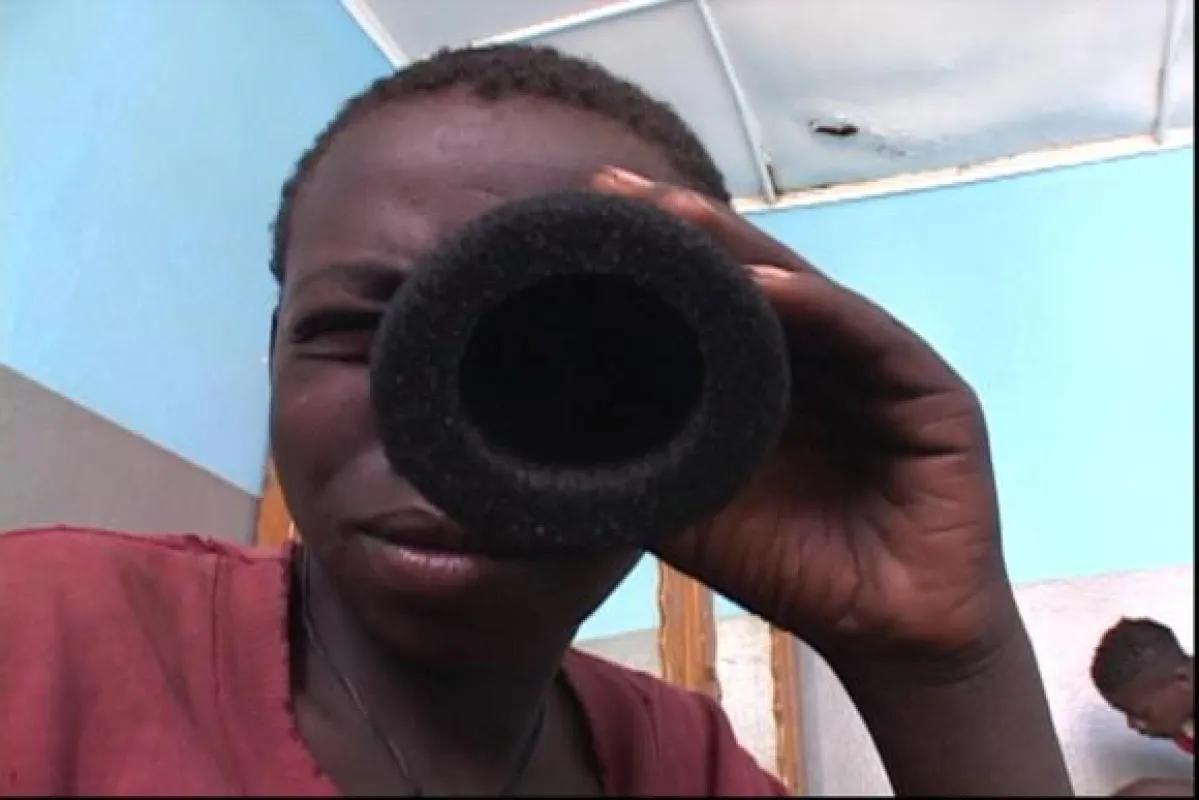
This film aims to capture a sense of the life of children living on the street in Gondar by witnessing the interaction between two children and the film-maker. Although it is about the children's life on the streets, the entire film was shot in the film-maker's room in the Ethiopia Hotel. This limited space allows the film to focus on communication between subjects and film-maker and to reveal some of the ideas that enable them to endure and survive on the streets. This film is more a sensitive testimony than a scientific documentary. Through its hybrid approach, the film-maker aims to explore new trends in visual anthropology touching upon intimacy and subjectivity.
•When Spirits Ride Their Horses
28min, 2012, Itsushi Kawase
Zar is the possession cult widely spread in the East Africa and the Middle East. In Gondar, Ethiopia, the possessed body of the Zar spirit medium is referred to as ‘the horse of Zar'. In this rhetoric, spirit possession can be understood as the spirit riding the body of the medium. The ceremonial space has to be “warmed up” by the dance, music and various kinds of smells to awaken spirits’ power. Spirit possession takes on almost sensuous overtones. The film portrays one lady who devotes her life to Zar spirits and explore the sensory quality of the interaction between her and various spirits including Seyfou Tchengar, who is said to be one of the most powerful spirits in the region.