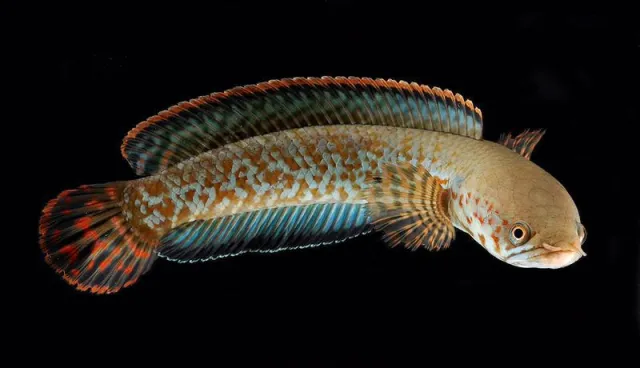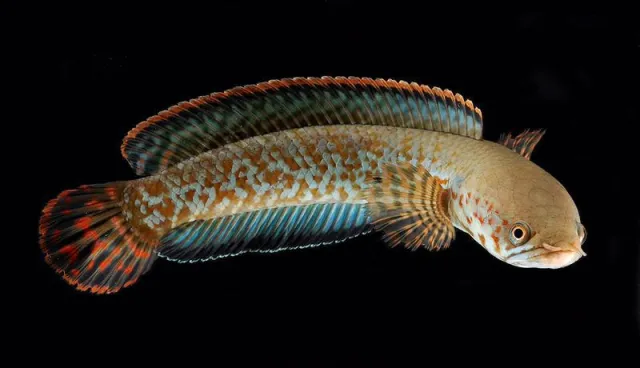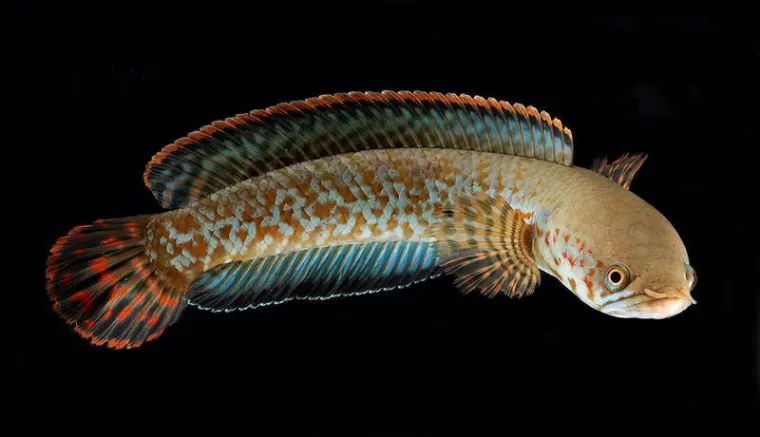
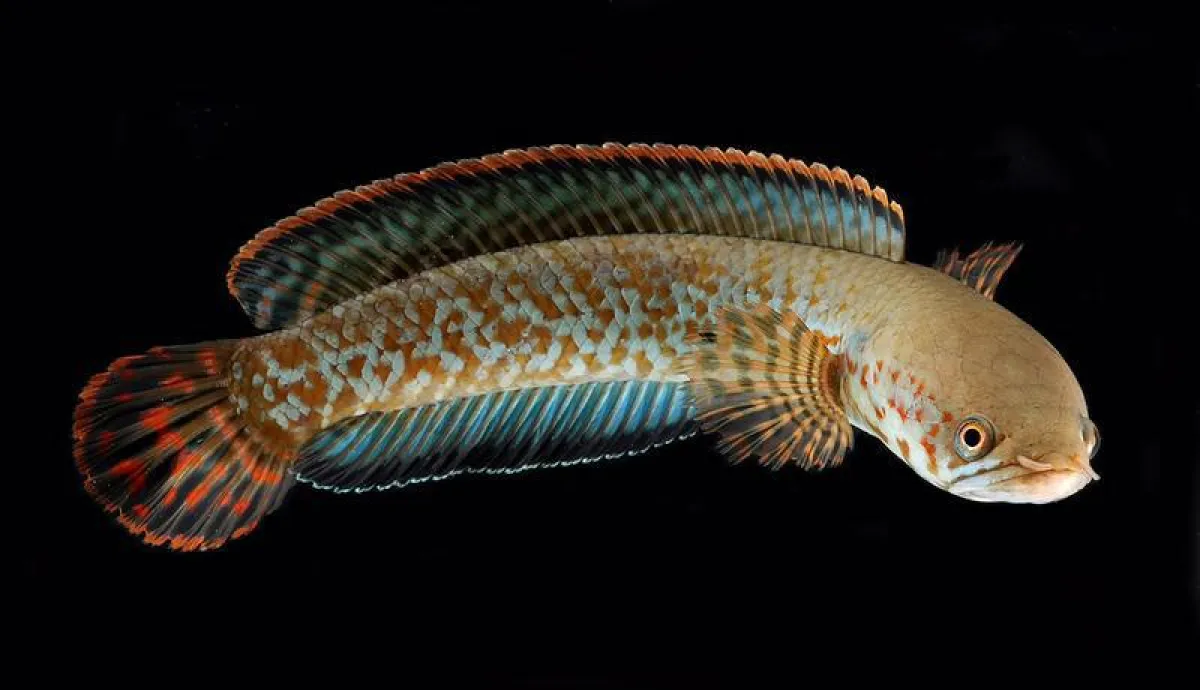
(openPR) As the protagonists of a number of horror B-movies snake-head fishes have been portrayed as highly aggressive and vo-racious predators, capable to hunt down their prey in the wa-ter and on land. Their species identification has been notoriously difficult, but a team of researchers led by Dr Lukas Rüber from the Naturhistorisches Museum Bern brings now order into this apparent chaos of snakehead identification.
---
After its accidental introduction into freshwaters in the USA in the early 2000s one snakehead species, the Northern snakehead Channa argus originally from China and Russia, received wide media attention. The invasive and voracious behaviour of this species threatened the lo-cal fish fauna and the snakehead’s ability to cross short distances over land were perfect in-gredients for the storyline of horror movies; four such movies were produced in the US and a National Geographic Channel documentary featured these predatory fishes in a sensationalist way. After piranhas and sharks, screenplay writers and directors of low-budget horror movies seem to have found a new pet fish.
Snakeheads are a small group of freshwater fishes from Africa and Asia with 38 recognized species. They are important food fishes in the countries where they occur. A few species are used in aquaculture and the live food trade and have been introduced in different parts of the world where they have become established. Species identification in snakeheads is difficult and has led to numerous misidentifications including some of the invasive snakeheads. Strik-ing changes in colour pattern between juvenile, sub-adult and adult individuals and historical-ly different interpretations of species boundaries have contributed to the confusion about the actual number of snakehead species and their identification.
Species identification with DNA barcodes
In the last few years DNA barcodes, short genetic markers, have been used to identify poten-tial and established invasive snakehead species outside their native range. Rüber and his in-ternational team of researchers, including some of the leading snakehead taxonomists, con-ducted genetic analyses at the Naturhistorisches Museum Bern of hundreds of newly generated snakehead DNA barcodes identified by taxon experts of snakeheads and compared them to snakehead DNA barcodes deposited by previous researchers in GenBank, a DNA se-quence data repository. In their study, published in PLOS ONE today, Rüber and his team found that over 16% of all snakehead DNA barcode sequences deposited in GenBank are based on species misidentifications. «As you can imagine, we were surprised and quite shocked about this finding» Lukas Rüber, the study leader said, «because GenBank is consid-ered the repository of DNA sequences, which are used by all kinds of researchers and the wrong species ID will lead to erroneous conclusions». Fortunately, with the new DNA barcode data from this new study it will be possible to avoid the perpetuated confusion of snakehead species identity in the future.
Underappreciated species diversity in snakeheads
Their results further suggest a species-level diversity within snakeheads that is much higher than currently recognized. This higher species diversity is mostly due to several undescribed species with small distribution ranges from the Eastern Himalaya biodiversity hotspot and the inclusion of numerous samples for widespread species characterized by deep genetic splits between geographically well-defined groups. In these latter cases, taxonomic over-lumping in the past has led to an underestimation of the actual species numbers.
Snakeheads are not man-eating horror creatures but colourful, fascinating, highly adapted freshwater fishes with unusual behaviour, which includes the survival out of water for hours due to an accessory air-breathing organ and elaborate parental care, which ranges from the formation and guarding of a nest with eggs and young to the highly evolved mouthbrooding in the majority of species, the most advanced parental care strategy in fishes.
Weitere Informationen:
- http://www.nmbe.ch/en/node/1879 More Photos
- http://journals.plos.org/plosone/article?id=10.1371/journal.pone.0184017 Article PLOS ONE
Quelle: idw